



How a Day Looks Like at VataVriksh Parent Care
Every Day is Meaningful, Active, and Joyful
At VataVriksh Parent Care, every day is thoughtfully designed to promote physical health, mental stimulation, emotional well-being, and social engagement for elderly parents (seniors). Our structured daily routine helps create a sense of purpose, independence, and happiness while ensuring every resident and day care member receives personalized care in a safe and nurturing environment.
Whether your loved one joins us for Day Care, Assisted Living, Dementia Care, or Rehabilitation, every moment is planned to enhance quality of life.
Daily Routine
A Glimpse
7:00 AM
A Fresh Start

The day begins with a calm and refreshing morning.
- Wake-up assistance (if required)
- Personal hygiene and grooming support
- Morning tea or healthy beverage
- Peaceful music for relaxation
- Medication administration (as prescribed)
Starting the day positively helps improve mood, mobility, and overall well-being.
8:00 AM
Nutritious Breakfast

A wholesome breakfast prepared according to individual dietary needs.
- Fresh and balanced meals
- Diabetic-friendly options
- Low-salt and physician-recommended diets
- Medication administration (as prescribed)
Our nutrition team ensures every meal supports healthy ageing.
9:00 AM
Health Monitoring

Our healthcare professionals monitor residents regularly.
- Blood pressure
- Blood sugar (when required)
- Oxygen saturation
- Pulse and temperature
- Medication reminders
- Nursing care
Regular monitoring helps identify concerns early and maintain optimal health.
10:30 AM
Memory Orientation

- Date, time, place, and person orientation
- Current affairs discussion
11:00 AM
Yoga & Guided Meditation

- Light stretching and breathing exercises
- Chair yoga (where applicable)
- Guided meditation
- Relaxation techniques
12:00 PM
Fruits & Hydration

- Seasonal fruits
- Hydration and nutrition support
- Fresh juices or coconut water (as prescribed)
12:15 PM
Brain Gym & Cognitive Activities

Keeping the brain active is just as important as physical fitness.
Activities include:
- Brain stimulation programs
- Memory games
- Puzzle solving
- Cognitive exercises
- Reading sessions
- Storytelling
- Crossword and Sudoku
- Occupational therapy activities
- Fine motor skill exercises
These activities are especially beneficial for individuals living with dementia or mild cognitive impairment.
1:00 PM
Healthy Lunch

Freshly prepared, nutritious lunch served with care.
Meals are customized according to:
- Medical conditions
- Dietary preferences
- Physician recommendations
We encourage comfortable and enjoyable dining experiences.
2:00 PM
Rest & Relaxation

After lunch, residents enjoy quiet time.
- Medication administration (as prescribed)
- Afternoon nap
- Relaxation therapy
- Soft instrumental music
- Reading
- Personal leisure time
Adequate rest helps improve energy and overall wellness.
4:00 PM
Tea & Healthy Snacks

Residents gather together for evening refreshments and activity.
This also becomes a wonderful opportunity to socialize and connect with friends.
4:30 PM
Recreational & Group Activities

Fun brings people together.
Residents enjoy:
- Art & Craft
- Coloring & Creative Painting
- Flower Arrangement
- Photo Sharing & Reminiscence Sessions
- Group Discussions
- Music Therapy
- Singing & Karaoke
- Dance Therapy
- Laughter Sessions
- Indoor Games (Carrom, Chess, Ludo, Cards)
- Balloon Games
- Soft Ball Games
- Gardening Activities
- Cultural Programmes
- Festival Celebrations
- Birthday Celebrations
Social interaction helps reduce loneliness and improves emotional health.
6:00 PM
Family Time & Interaction

Residents can:
- Video call family members
- Spend time with visiting loved ones
- Participate in family engagement activities
Maintaining strong family connections plays an important role in emotional well-being.
6:30 PM
Evening Recreation
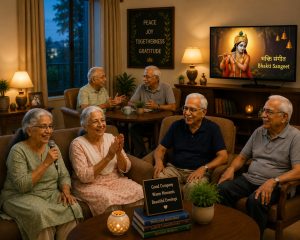
Residents enjoy relaxing activities such as:
- Devotional music
- Group discussions
- Television
- Movies
The evenings are calm, peaceful, and enjoyable.
7:30 PM
Dinner

A light and nutritious dinner is served with individual dietary care.
Medication support is provided according to medical prescriptions.
9:00 PM
Peaceful Night Routine

Before bedtime, residents receive:
- Medication administration (as prescribed)
- Night-time care assistance
- Comfortable sleep arrangements
- Health monitoring (if required)
- Emergency support available 24×7
A restful night’s sleep prepares everyone for another healthy and joyful day.
More Than Care
A Family
At VataVriksh Parent Care, we believe every elderly parent deserves dignity, companionship, respect, and compassionate care. Our multidisciplinary team of doctors, psychologists, nurses, physiotherapists, caregivers, nutritionists, and activity instructors work together to ensure every day is fulfilling.
From meaningful conversations and laughter to cognitive training and rehabilitation, each day is designed to help our residents live healthier, happier, and more independent lives.
Why Families Choose VataVriksh Parent Care
- Structured daily routine
- Safe and secure environment
- Qualified and trained caregivers
- Doctors, psychologists, and nursing support
- Dementia and Alzheimer’s care
- Physiotherapy and rehabilitation
- Engaging cognitive activities
- Healthy home-style meals
- Family communication and updates
- Personalized care plans
- Emergency support available 24×7
Experience the VataVriksh Difference
Looking for a place where your elderly parents (seniors) can stay active, healthy, and happy?
Visit VataVriksh Parent Care and experience a compassionate environment where every day is filled with care, purpose, dignity, and joy.
Book a visit today and discover how we make every day meaningful.
Why Choose Professional Care at VataVriksh Parent Care
for Parents Instead of Home Care
Choosing professional care ensures that parents are engaged, safe, and well-cared for, providing them with a higher quality of life compared to home care. Here are the reasons:

Social Interaction

Freedom and Space

Variety and Stimulation

Safety and Security

Activities and Engagement

Personalized Care

Handling Special Conditions

Continuous Care

Addressing Needs

Handling Irritation and Anger

Avoiding Monotony

Improving Communication Skills

Variety in Interaction

Caregiver Well-being


