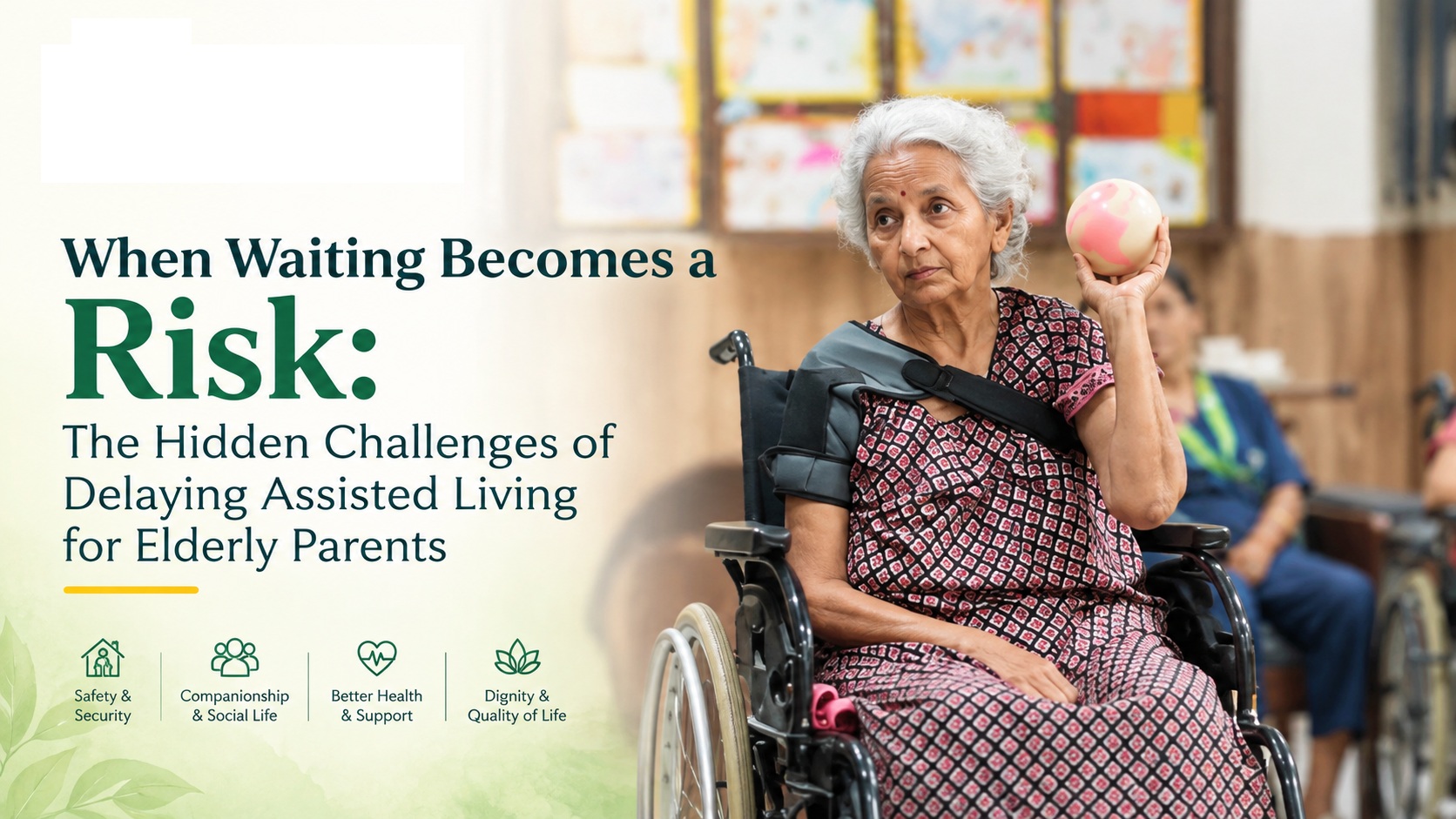
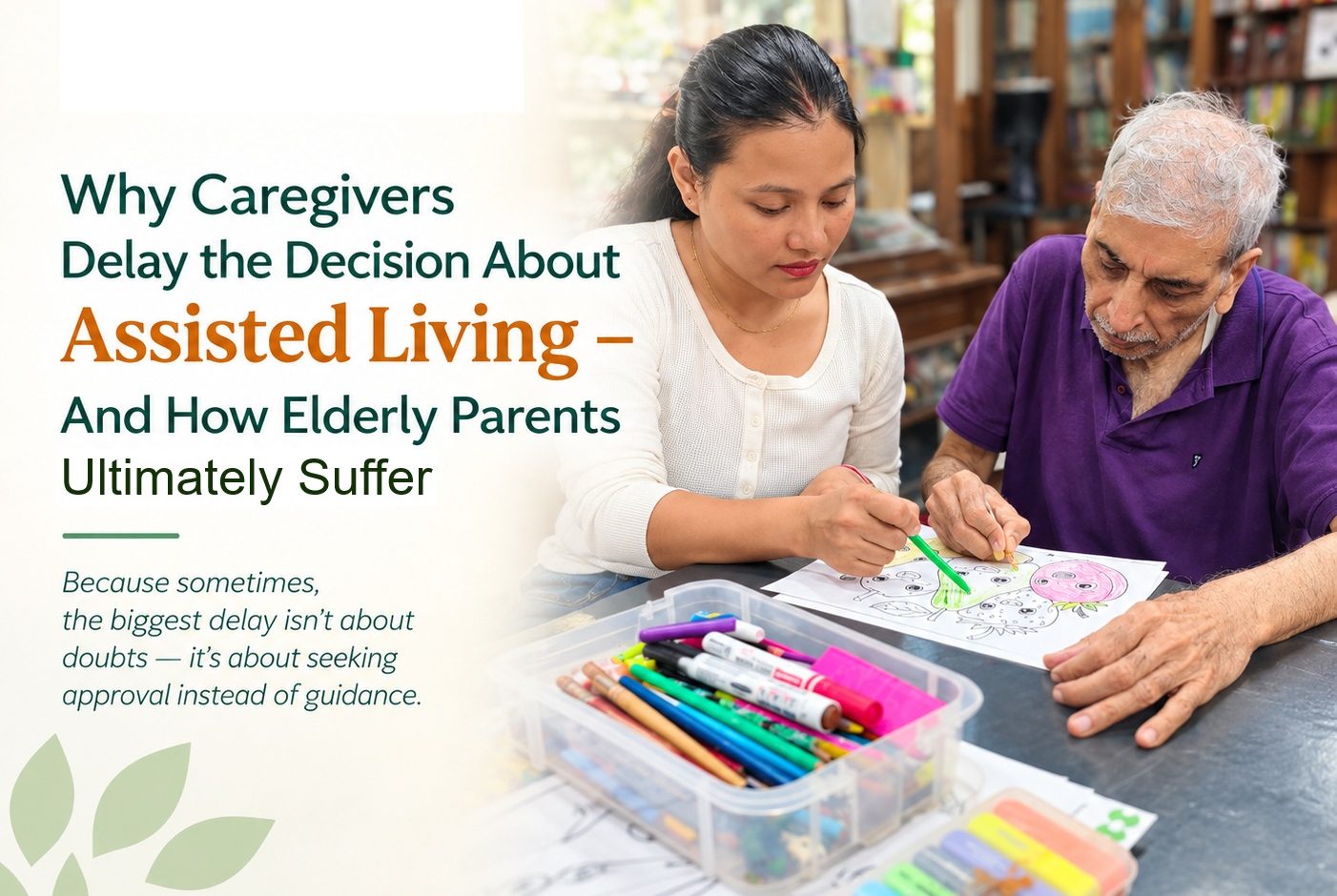
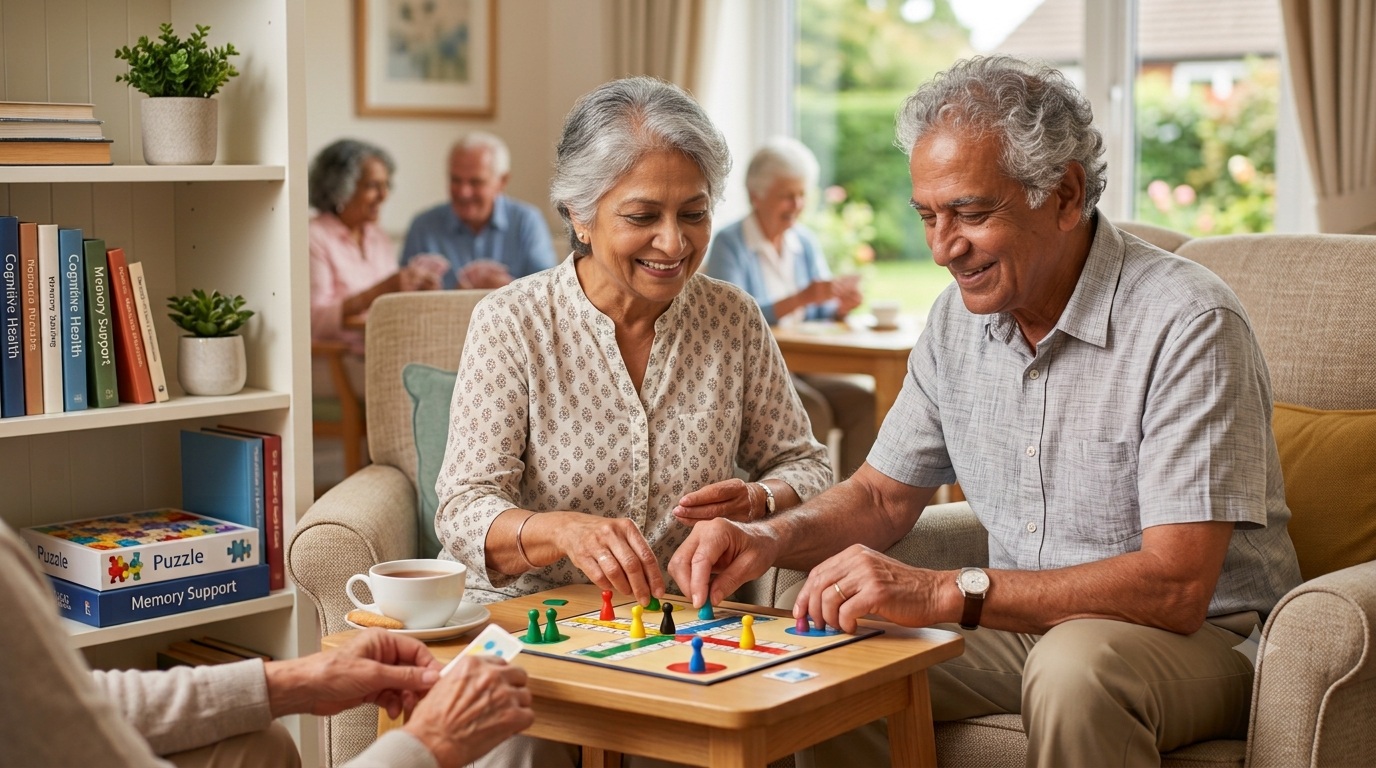
A recent incident in Southeast Delhi raises an important question: How can families, neighbours, communities and care providers work together to make life safer for elderly people living alone?
A recent incident in Southeast Delhi has once again brought attention to an issue that deserves far more discussion: the safety and security of senior citizens living alone.
According to reports by Hindustan Times and The Indian Express, 69-year-old retired teacher Preeti Kumar, who lived alone in her ground-floor home in Pant Nagar, Southeast Delhi, was found dead at her residence on Friday morning. Police are investigating the case and examining CCTV footage and people who may have interacted with her in the days before the incident.
The Indian Express reported that Kumar followed an active daily routine. She would reportedly prepare tea in the morning and distribute it among homeless people in her neighbourhood before volunteering at a community dispensary. Investigators have been examining whether the person responsible knew her routine and whether the house had been observed beforehand.
Hindustan Times reported that CCTV footage showed a suspect entering the residence at around 3:15 a.m. and later being seen fleeing from the rear of the property. Police have also been questioning individuals who had called or visited Kumar in the days leading up to the incident as they investigate the circumstances surrounding her death.
The incident is deeply distressing for the family and community. But beyond the immediate investigation, it also makes us pause and think about a larger reality of modern urban life.
Many older parents today live alone.
Their children may live in another city, another country, or may simply be unable to be physically present every day. Some seniors are completely independent and prefer living in their own homes. Others may gradually begin needing assistance with daily activities, health needs, mobility, memory or emotional well-being.
The question is not whether an elderly person should live independently. The question is whether they have the right support system around them to do so safely.
Why Are Seniors Living Alone Becoming More Common?
Families today are increasingly spread across cities and countries.
Adult children may have demanding careers, family responsibilities or may relocate for work. As a result, an elderly parent who once lived in a busy household may eventually find themselves spending most of the day alone.
For some seniors, living independently is empowering.
They value their privacy, familiar surroundings and established routines.
But independence should not mean isolation.
An older person may be physically independent while still benefiting from regular check-ins, social interaction, emergency support and a reliable network of people who know them.
The Hidden Risks of Living Alone
The Delhi incident highlights physical security, but senior safety is much broader than protection from crime.
An elderly person living alone may face several risks:
1. Delayed help during emergencies
A fall, sudden illness or other emergency can become much more serious when nobody is nearby to notice or respond.
2. Difficulty responding quickly
Reduced mobility, hearing or vision difficulties can sometimes make it harder for an older person to respond to unexpected situations.
3. Social isolation
Spending long periods alone can gradually reduce social interaction and meaningful engagement.
4. Vulnerability to exploitation
Some seniors may be approached by people attempting to take advantage of their trust, finances or dependence on others.
5. Memory-related difficulties
Older adults experiencing cognitive decline may sometimes have difficulty remembering appointments, people, routines or safety precautions.
This is particularly important for families supporting a parent with dementia or other cognitive challenges.
Safety and Security – A Community Responsibility
One of the strongest messages emerging from incidents involving elderly people living alone is that senior safety & security cannot be the responsibility of one person alone.
It requires a network.
Family
Children and relatives can maintain regular contact rather than waiting for an emergency.
A simple daily phone call or video call can provide reassurance and help families notice changes in routine.
Neighbours
A trusted neighbour can become an important part of a senior’s support network.
Knowing who lives alone in the building and having a simple mechanism for checking on them can make a meaningful difference.
Resident Welfare Associations
RWAs can consider senior-friendly community initiatives, emergency contact systems and mechanisms for supporting elderly residents who live alone.
Local authorities and police
Regular engagement with senior citizens and accessible emergency assistance can help older adults feel safer and more connected to the community.
Professional care providers
When a senior begins requiring assistance beyond what family members can provide, professional elder-care services can provide structured support.
What Families Can Do Today
Families do not need to wait for an unfortunate incident before thinking about senior safety and security.
Here are some practical steps worth considering.
1. Know the senior’s daily routine
Understand when they normally wake up, take meals, go for walks, attend appointments and communicate with family.
A sudden change in routine can then be noticed more quickly.
2. Maintain regular communication
Instead of occasional calls, establish a predictable communication routine.
For example:
Morning check-in → afternoon message → evening call
The exact schedule should depend on the person’s needs.
3. Keep emergency contacts easily accessible
Important numbers should be available in a simple, easy-to-find format.
These may include:
- Family members
- A trusted neighbour
- Doctor or healthcare provider
- Building security
- Local emergency services
4. Build a trusted support circle
Identify a few reliable people who can reach the senior quickly if required.
This could include a family member, neighbour, friend or professional caregiver.
5. Review the home environment
A senior-friendly home should minimise unnecessary risks and make important areas easily accessible.
This becomes particularly important when the person has mobility or cognitive difficulties.
6. Pay attention to changes
Families should not focus only on physical health.
Changes in behaviour, memory, confidence, social interaction or ability to manage everyday tasks can also indicate that additional support may be needed.
Independence Does Not Mean Doing Everything Alone
This is perhaps the most important distinction families need to understand.
Independent living and unsupported living are not the same thing.
An elderly parent may be capable of making decisions, managing many daily activities and enjoying their own home while still benefiting from companionship, supervision or professional support.
The goal should not be to take away their independence.
The goal should be to make independence safer and more sustainable.
When Should Families Consider Additional Care?
There is no single age at which a person suddenly needs care.
Instead, families should look at changes in the person’s daily life.
Consider additional support when you notice:
- Increasing difficulty managing daily activities
- Frequent falls or mobility problems
- Missed medicines or appointments
- Increasing forgetfulness
- Difficulty managing household responsibilities
- Reduced social interaction
- Anxiety about staying alone
- Difficulty responding during emergencies
- Significant changes in eating, sleeping or personal care
- A diagnosis or symptoms associated with dementia requiring closer supervision
Professional support can range from periodic assistance to structured daycare, respite care, rehabilitation or residential care, depending on the individual’s needs.
The Emotional Side of Senior Safety & Security
There is another dimension that is often overlooked.
When families discuss elderly care, the conversation can quickly become about “What if something happens?”
But seniors also need to hear:
“How can we help you continue living a meaningful life?”
Safety and security should go hand in hand with:
- Companionship
- Mental stimulation
- Physical activity
- Social interaction
- Emotional support
- Meaningful routines
- Opportunities for independence
A safe and secure environment should not feel like a restrictive environment.
It should feel like a supportive environment.
Choosing Senior Living Is Not Giving Up on Home — It Is Choosing Safety, Security, Support & Better Quality of Life
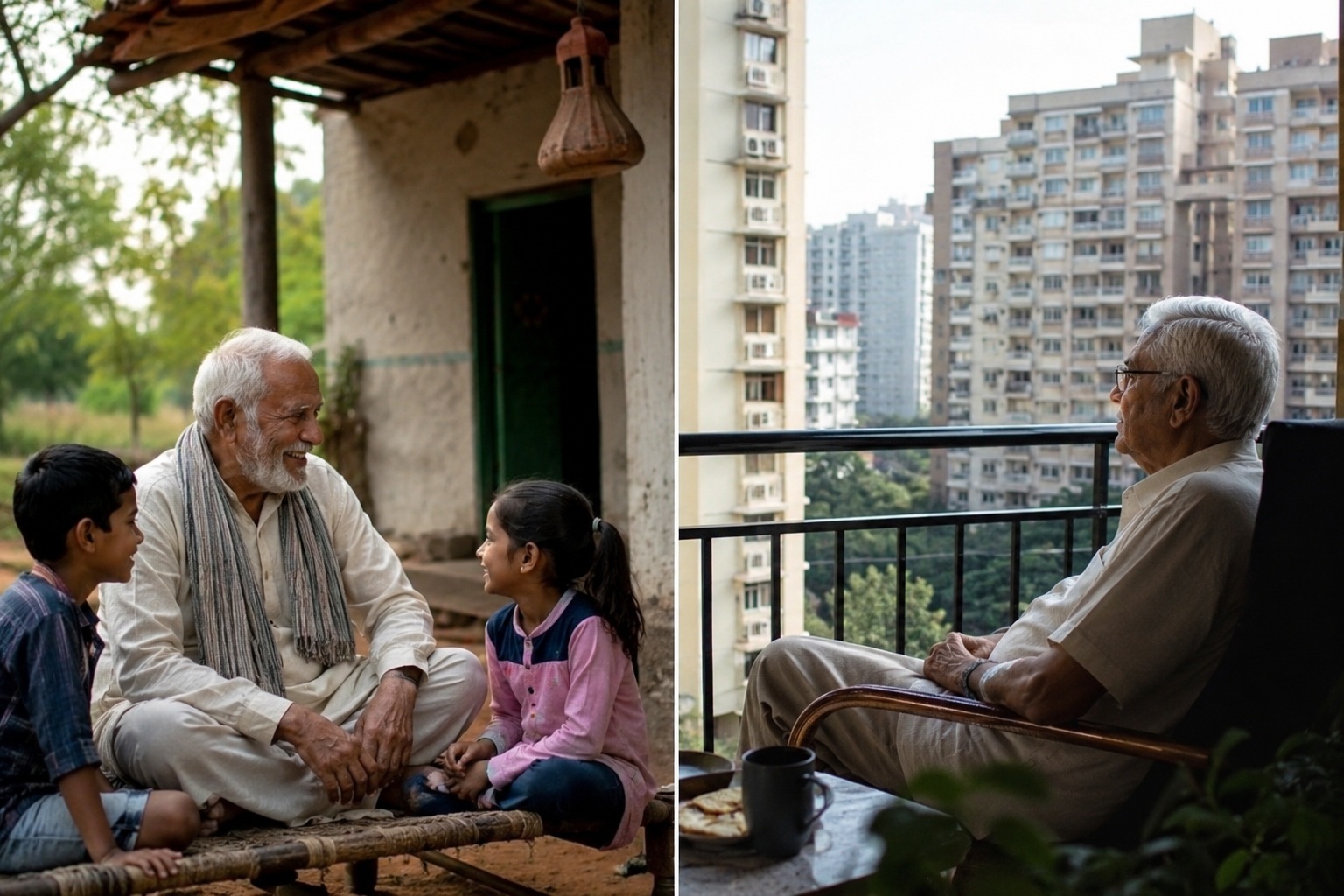
For many elderly parents, their home is much more than four walls. It represents years of memories, independence, family, familiar surroundings and a lifetime of emotional connections. That is why the thought of leaving home can sometimes feel difficult—even when living alone is becoming increasingly challenging.
However, seniors and their families need to remember one important thing:
Safety should never become a compromise for the sake of staying alone at home.
Sometimes, an elderly parent may insist, “I want to live only in my own home. I don’t want to leave.” This desire for independence is completely understandable. But when mobility, health, memory, loneliness or personal safety become concerns, continuing to live alone may no longer be the safest choice.
Senior Living Does Not Mean Leaving Your Memories Behind
Moving to a senior living or assisted living environment does not erase the emotional connection a person has with their home.
The memories remain.
The relationships remain.
The photographs, belongings and stories remain.
Home is not only a physical place—it is also the memories and emotions we carry with us.
Choosing a supportive senior living environment simply means creating a new place where an elderly parent can receive the care, companionship and security they may need.
Safety And Security Can Bring Greater Freedom
Ironically, having the right support can sometimes allow seniors to remain more independent, not less.
With appropriate assistance, seniors can have:
- Greater personal safety
- Help available when needed
- Regular social interaction
- Opportunities for meaningful activities
- Better access to healthcare and rehabilitation
- Cognitive and physical stimulation
- Companionship and emotional support
- A structured and engaging daily routine
Instead of spending long hours alone worrying about what might happen, seniors can spend their time participating, connecting and enjoying life.
The Goal Is Not to Take Independence Away
Families should not approach senior living as “You can no longer manage, so you have to leave your home.”
The conversation can instead be:
“How can we make your life safer, healthier, more active and more enjoyable while respecting your independence?”
Senior living should be about adding support—not taking away dignity.
For some seniors, staying at home with appropriate support may be the best choice. For others, particularly when living alone becomes unsafe or increasingly difficult, a professional senior-care environment may offer a better balance between independence and security.
A Change of Address Should Never Mean a Loss of Dignity
Choosing senior living is not a failure.
It is not abandoning one’s home.
And it does not mean that children are taking away their parent’s independence.
Sometimes, it is simply a responsible decision to choose safety, companionship, care and a better quality of life.
The real question is not, “Can I continue living alone in my home?”
It is, “Where can I live safely, meaningfully and happily while preserving my dignity and independence?”
At VataVriksh Parent Care, we believe that every senior deserves an environment where safety, dignity, independence, companionship and quality of life can exist together.
At VataVriksh Parent Care, We Believe Care Is More Than Supervision
At VataVriksh Parent Care, our approach to senior care focuses on the whole person—not just their medical or physical needs.
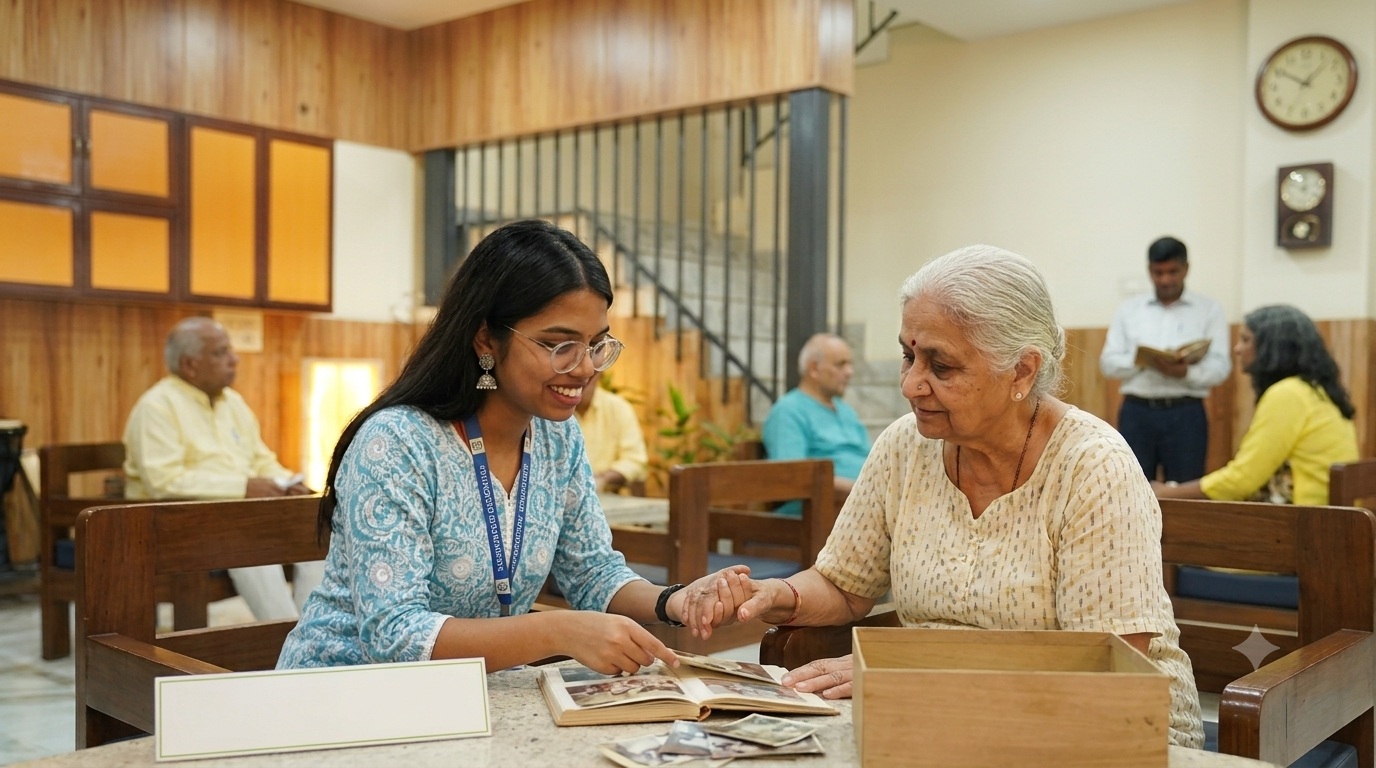
For seniors who require additional support, a structured environment can provide opportunities for social interaction, meaningful activities, cognitive stimulation, wellness, rehabilitation and daily care.
For families who cannot be physically present every day, having a dependable care environment can also provide reassurance.
Our focus is to help seniors maintain dignity, engagement, connection and quality of life while receiving the level of support appropriate for their individual needs.
A Message to Families
The recent Delhi incident is a painful reminder that elderly people living alone can sometimes face vulnerabilities that families may not immediately recognise.
But the answer is not fear.
The answer is preparedness, connection and responsible care.
Talk to your parents.
Ask how they are managing.
Know their daily routine.
Stay connected with their neighbours and community.
And if their needs are changing, don’t wait for a crisis before exploring additional support.
Because caring for ageing parents is not only about being there when something goes wrong.
It is about creating a support system that helps them stay safe, respected, active and connected every day.
Because every senior deserves more than just a safe home.
They deserve a safe, caring and meaningful life.
About VataVriksh Parent Care
VataVriksh Parent Care provides senior-care support focused on assisted living, memory care, dementia care, daycare, respite care, rehabilitation and holistic well-being, with an emphasis on dignity, engagement and personalised care.
If you are concerned about an elderly parent living alone or are exploring suitable senior-care options, connect with VataVriksh Parent Care to understand what kind of support may be appropriate for your family.
Note:
This article is an awareness and senior-care perspective inspired by recent media reports. The investigation into the Delhi incident is ongoing, and allegations mentioned in news reports should not be treated as established facts unless confirmed by the relevant authorities or court.
Source: