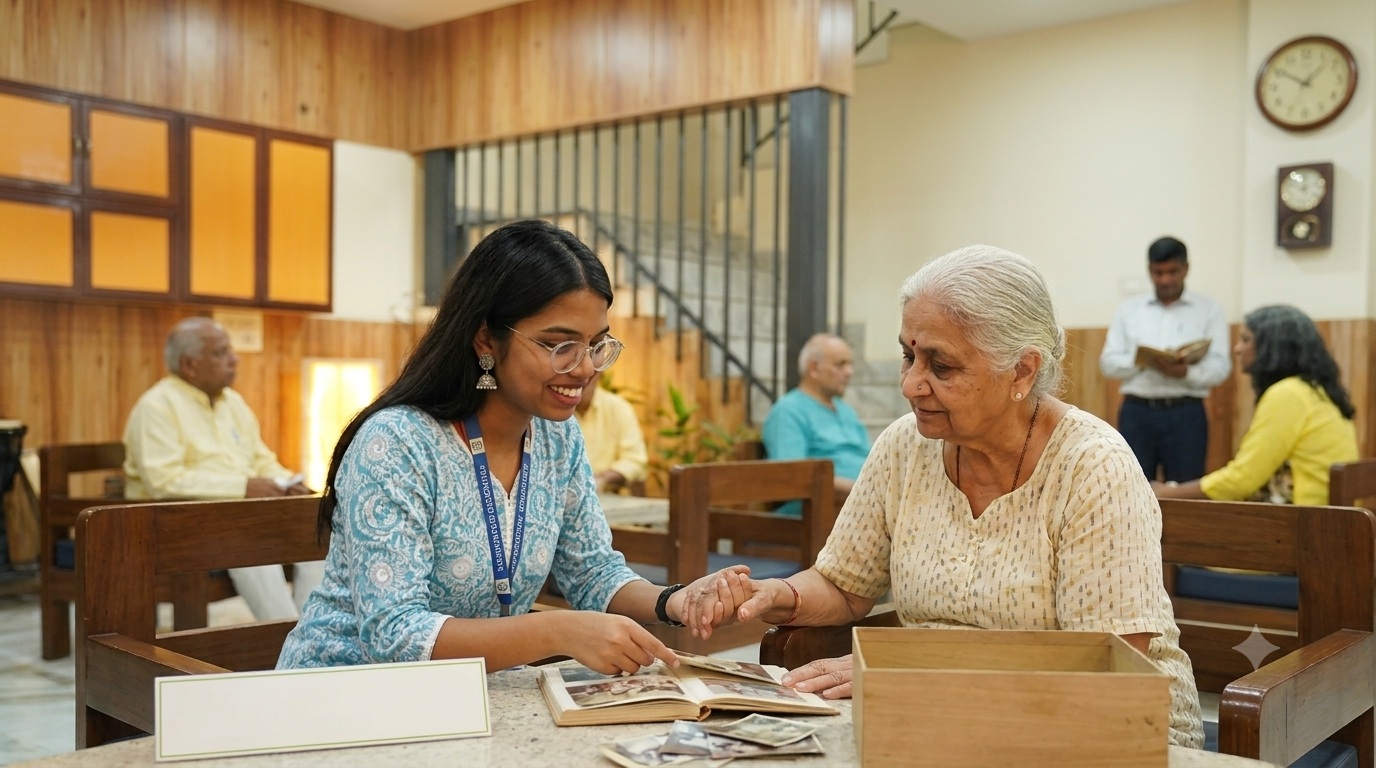
The Hidden Cost of Living Longer
India has made remarkable progress in healthcare. Better medical treatment, improved awareness of disease prevention and advances in medicine have helped people live longer. Yet, longer life expectancy brings a question we have not adequately addressed: What happens when people live longer but their memories, judgement and independence begin to fade?
Dementia is one of the most significant challenges facing India’s ageing population. It affects more than memory. It can gradually interfere with communication, decision-making, personal care, relationships and the ability to perform everyday activities.
Alzheimer’s disease is the most common cause of dementia, but dementia is not a normal or inevitable part of ageing. It is a syndrome associated with diseases that affect the brain, and its symptoms deserve timely medical attention.
For many Indian families, the journey begins with seemingly ordinary changes. An elderly parent forgets an appointment, repeats a question, misplaces familiar objects or struggles to follow a conversation. These incidents are often dismissed as signs of old age.
Sometimes, however, they are early warning signs that require professional assessment.
India’s Growing Need for Dementia Care
India’s rapidly ageing population makes dementia awareness and care planning increasingly urgent. Research published in The Lancet Public Health in 2023 estimated that approximately 8.8 million people aged 60 and above in India were living with dementia in 2019.
As the older population grows, the number of people requiring cognitive assessment, medical supervision, rehabilitation and long-term support is likely to increase substantially.
The challenge extends beyond the individual diagnosed with dementia. It affects spouses, children, grandchildren, caregivers and the wider healthcare system.
A person living with dementia may eventually need assistance with medication, meals, personal hygiene, mobility and daily routines. Families may struggle to balance these responsibilities with employment, parenting and their own health.
Without adequate community services and specialised care facilities, this responsibility can become overwhelming.
Why India Needs a National Dementia Care Plan
India has introduced initiatives addressing the health and welfare of older adults, including the National Programme for Health Care of the Elderly. However, dementia requires focused attention within a comprehensive national framework.
A meaningful national dementia plan should include the following priorities.
1. Early Diagnosis and Timely Intervention
Memory problems should not automatically be attributed to ageing.
Primary healthcare professionals need appropriate training to recognise possible cognitive impairment, assess symptoms and refer individuals for further evaluation.
Early assessment can help identify treatable or contributing conditions, clarify the likely cause of symptoms, support future planning and connect families with appropriate services.
Although current treatments cannot cure most progressive dementias, some interventions may help manage symptoms or support functioning. Certain medicines may also slow clinical decline in selected people with early Alzheimer’s disease, subject to specialist assessment and eligibility.
2. Affordable and Accessible Dementia Care
Specialised dementia services remain difficult to access for many families, particularly outside major urban centres.
India needs more accessible memory clinics, trained dementia-care professionals, day-care programmes, respite services and residential care options.
Care should not depend entirely on a family’s financial resources or geographical location.
3. Training for Families and Caregivers
Family members are often the primary caregivers for people living with dementia.
They need practical guidance on communication, behavioural changes, personal care, fall prevention, nutrition and medication routines.
Caregiver education can reduce avoidable distress and help families respond to difficult situations with greater understanding.
4. Financial and Emotional Support
Dementia can require years of assistance, and the cumulative cost of care may be substantial.
Support mechanisms should consider the cost of medical consultations, trained caregivers, rehabilitation, respite care and long-term residential support.
Caregivers also need access to counselling, peer-support groups and opportunities for rest.
5. Public Awareness and Reduced Stigma
People with dementia are sometimes excluded from family decisions or social activities because others assume they can no longer understand what is happening around them.
Awareness campaigns must challenge these assumptions.
A diagnosis may change how a person communicates or makes decisions, but it does not erase their history, relationships, preferences or need for respect.
Beyond Policy: Building a Dementia-Friendly Society
Government action is essential, but meaningful change requires participation from hospitals, healthcare professionals, senior-care organisations, local communities and families.
Dementia-friendly communities can help older adults remain socially connected for as long as possible. Accessible public spaces, informed healthcare staff and supportive community programmes can make everyday life less isolating.
Specialised senior-care facilities also have an important role to play by providing structured routines, cognitive engagement, health monitoring and assistance with daily activities according to individual needs.
At VataVriksh Parent Care, the broader principle behind dementia care is that support should address the person, not just the diagnosis. Individual abilities, preferences, comfort and dignity should guide care planning.
The Question India Can No Longer Ignore
A national dementia strategy is not simply a healthcare requirement. It is a commitment to the people who built our families, communities and country.
India must prepare for a future in which more people may live with cognitive impairment and require sustained support.
The real measure of progress cannot be life expectancy alone. It must also include the quality of those additional years, the support available to families and the dignity afforded to people who need care.
India has learned to help people live longer. Now it must build a system that helps them live with dignity, even when memory begins to fade.
By:
Dr Ramesh Goyal
(M.B.B.S, MD, PGD Developmental Neurology)
Certified Senior Care Expert (USA)
View Profile