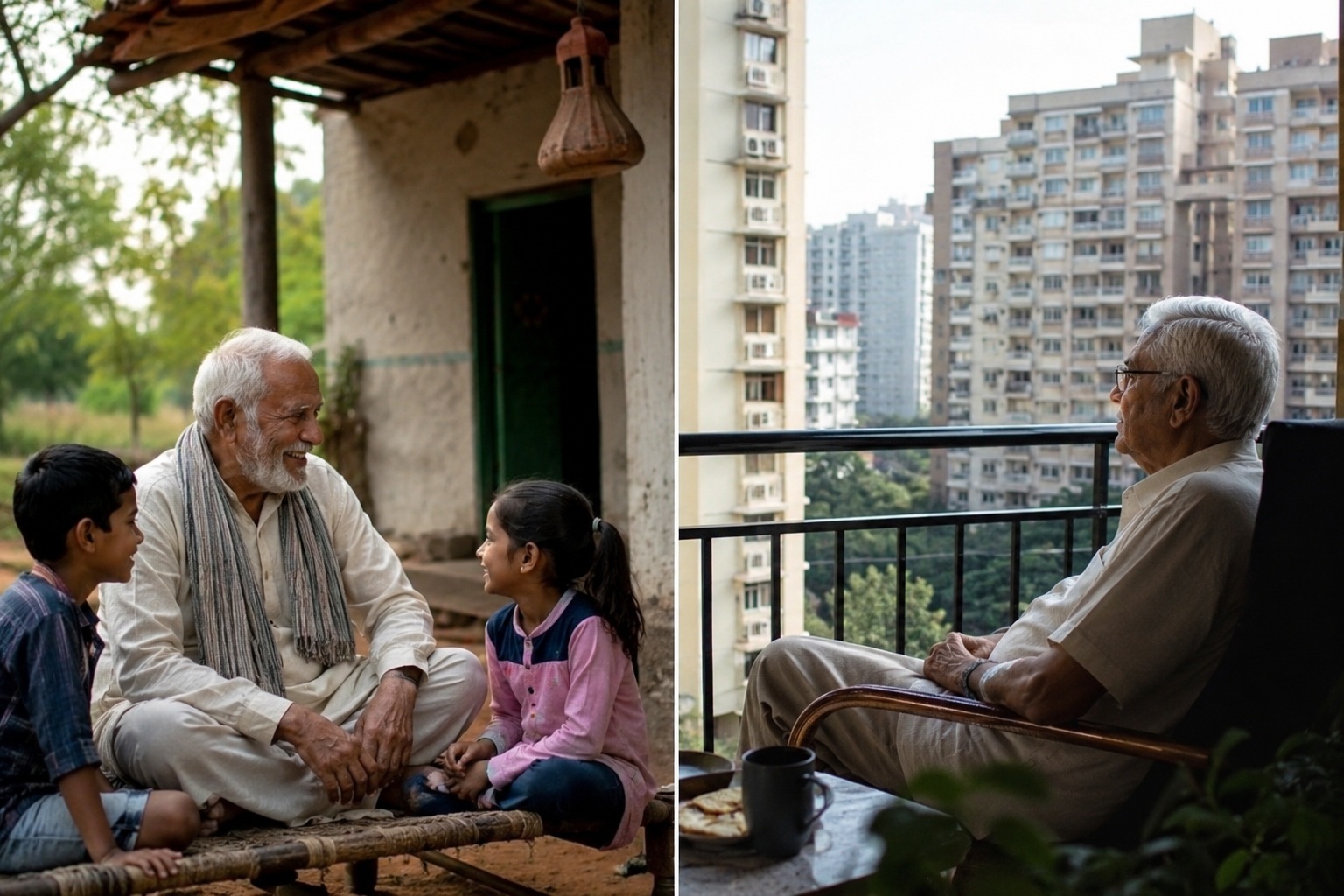
The terms “parent (elderly, senior) care” and “geriatric care” are often used interchangeably, but they have distinct meanings and focus areas within the realm of elder care. Here’s a breakdown of the differences:
Parent (Elderly, Senior) Care
Scope:
- Broad Term: This term encompasses a wide range of services and support provided to older adults, generally focusing on overall well-being and daily living needs.
- Non-Medical and Medical Care: It includes both non-medical services (such as help with daily activities, companionship, and household tasks) and medical care (like managing medications and health monitoring).
Services:
- Daily Living Assistance: Help with activities of daily living (ADLs) such as bathing, dressing, eating, and mobility.
- Household Support: Includes cooking, cleaning, shopping, and transportation.
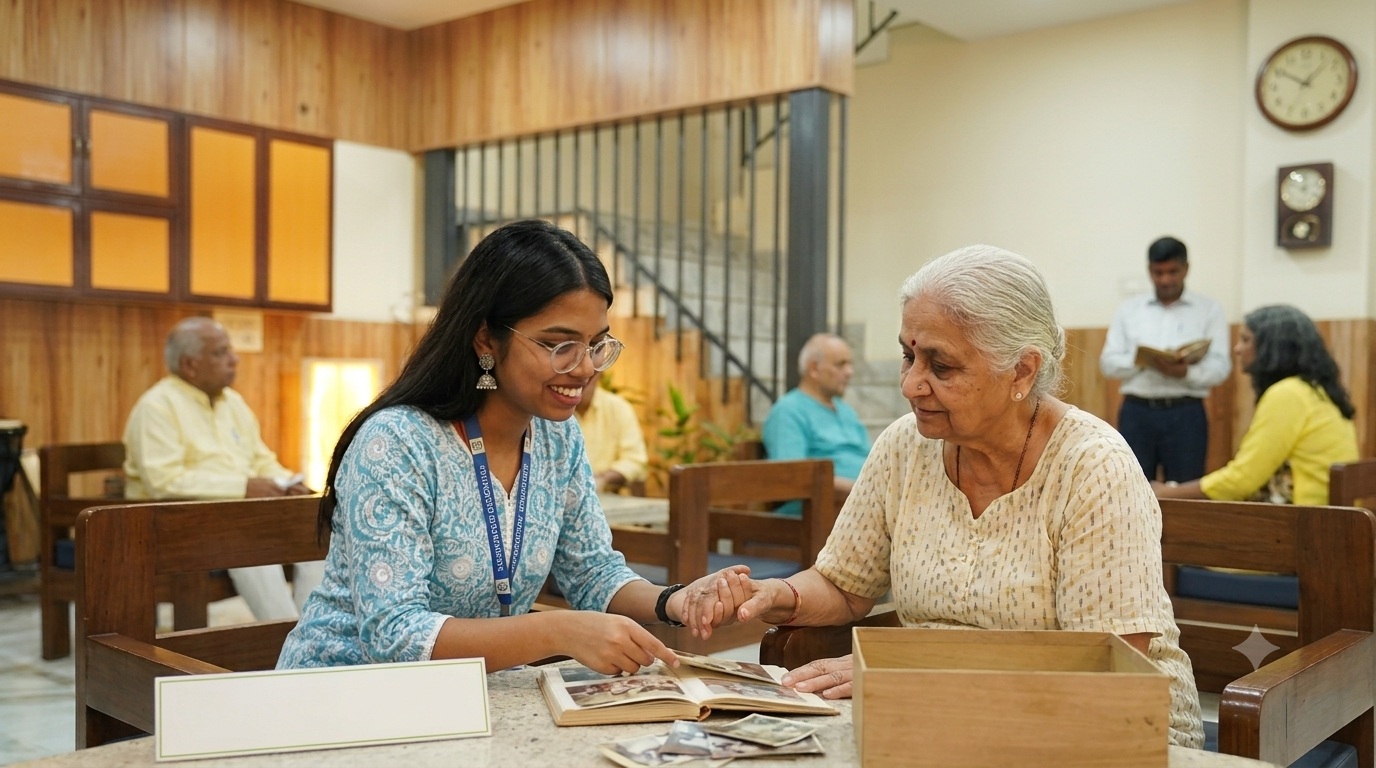
- Companionship: Social interaction and emotional support.
- In-Home Care and Day Care Services: Can be provided in various settings, including the person’s home, Day Care centers, or assisted living facilities.
Focus:
- Quality of Life: Emphasizes enhancing the quality of life for seniors by ensuring they remain as independent as possible while receiving necessary support.
- Emotional and Social Well-Being: Addresses the social and emotional aspects of aging, aiming to keep seniors engaged and connected.
Geriatric Care
Scope:
- Specialized Medical Field: Geriatric care is a medical specialty focusing specifically on the health care of elderly people.
- Medical and Health-Related Needs: It is primarily concerned with diagnosing, treating, and preventing health issues that are common in older adults.
Services:
- Medical Management: Includes regular check-ups, management of chronic conditions, and treatment of acute illnesses.
- Multidisciplinary Approach: Often involves a team of Health Care providers including geriatricians, nurses, physical therapists, pharmacists, and social workers.
- Complex Health Issues: Addresses multiple and often complex health issues like dementia, osteoporosis, arthritis, and cardiovascular diseases.
Focus:
- Health Optimization: Aims to optimize the health and functional ability of elderly patients.
- Chronic Disease Management: Focuses on managing chronic diseases, reducing polypharmacy (use of multiple medications), and preventing hospitalizations.
- Comprehensive Care Plans: Develops comprehensive care plans that include medical treatment, rehabilitation, and sometimes end-of-life care.
Key Differences
- Focus Area:
- Parent (Elderly, Senior) Care: Broader focus on daily living assistance, emotional and social support.
- Geriatric Care: Medical focus on health issues specific to the elderly.
- Type of Services:
- Parent (Elderly, Senior) Care: Includes non-medical and medical services related to daily living.
- Geriatric Care: Primarily medical services addressing complex health needs.
- Professional Involvement:
- Parent (Elderly, Senior) Care: Provided by caregivers, aides, and sometimes family members.
- Geriatric Care: Provided by medical professionals specializing in geriatrics.
In summary, while both parent (elderly, senior) care and geriatric care aim to support the elderly, the former is broader and includes various aspects of daily living and social support, whereas the latter is a specialized medical field focusing on the health and medical needs of older adults.