Moving from Classroom Theory to Real-World Care
My psychology internship at VataVriksh Parent Care, a leading senior care organization providing assisted living in Gurgaon, began as an opportunity to gain professional exposure and practical experience. However, over time, it became much more meaningful than a conventional internship. Instead of learning only through textbooks and classroom discussions, I was introduced to the realities of human behavior, emotional support, and the critical importance of empathy in healthcare settings.
This experience allowed me to step into an environment where patience, compassion, and a grounded presence carry immense value. VataVriksh Parent Care works closely with individuals living with dementia, focusing on creating creative, supportive, engaging, and emotionally secure environments for them.
Understanding Dementia: More Than Memory Loss
During my internship, I observed firsthand how dementia affects not only memory but also emotions, communication, confidence, and daily functioning. Many residents would forget names, repeat questions, or struggle to recall recent events. Yet, they almost always responded warmly to kindness, familiarity, music, and simple, focused conversations.
This made me realize that emotional memory and human connection continue to hold profound significance even when cognitive abilities decline. One of my main responsibilities involved interacting with residents through specialized games and cognitive activities designed to stimulate memory, intention, and participation.
The Power of Cognitive Activities and Engagement
We regularly conducted structured sessions involving:
- Puzzle-matching games
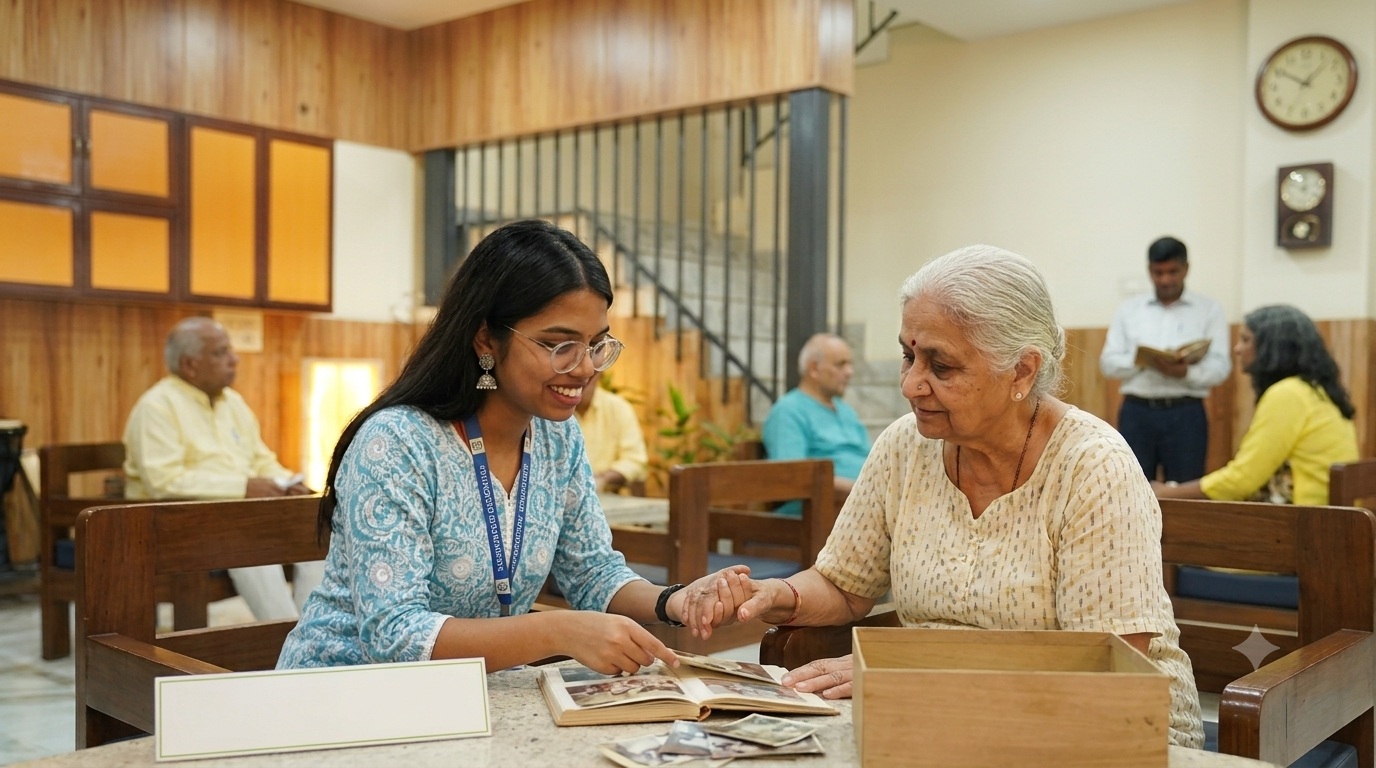
- Reminiscence and storytelling conversations
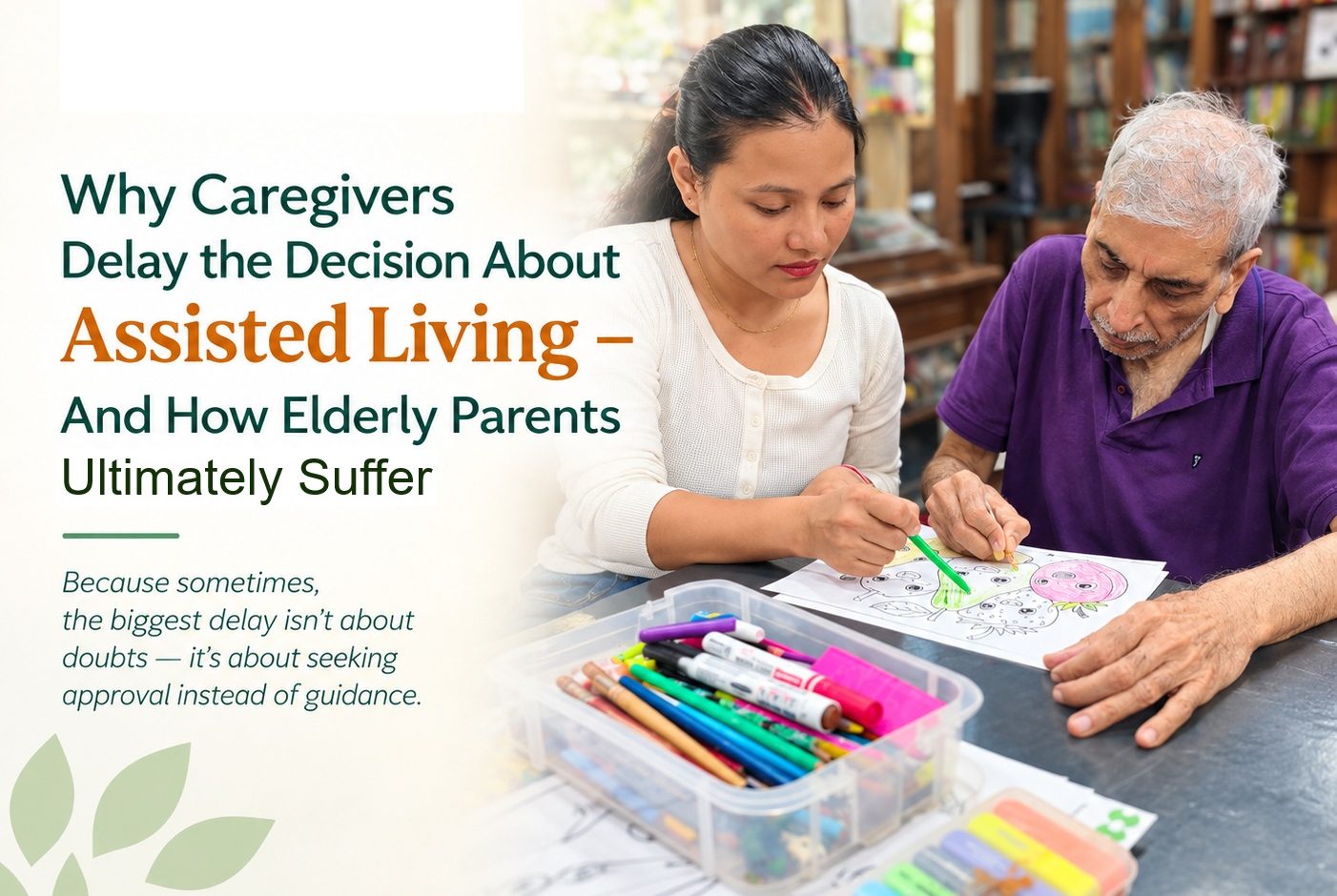
- Drawing and art therapy
- Group engagement sessions
Initially, I viewed these activities simply as structured exercises for cognitive stimulation. Gradually, I began to understand their deeper emotional importance. I noticed that these sessions frequently sparked genuine moments of joy, confidence, and social connection among the residents. Even small responses—such as a smile, remembering a minor detail, participating in a game, or recognizing a familiar face—became deeply meaningful achievements.
The Core of Caregiving: Person-Centered Dementia Care
What stood out to me the most was the atmosphere of absolute patience maintained by the caregivers and staff members. I observed how communication in dementia care must be repetitive, reassuring, and completely non-judgmental.
Residents sometimes became confused, emotionally withdrawn, or restless, yet the staff consistently approached them with understanding and dignity. Watching these interactions helped me truly comprehend the importance of person-centered care in dementia settings. It showed me that caregiving is not simply about assisting with daily tasks, but about actively preserving a person’s sense of identity, comfort, and belonging.
Bridging the Gap with Mental Status Examinations (MSE)
Another invaluable academic aspect of the internship was gaining practical exposure to conducting a Mental Status Examination (MSE). Previously, I had only studied the concept of an MSE theoretically. Observing and assisting with it in a practical setting helped me understand how psychological concepts are applied to real-life clinical assessments.
Through this clinical exposure, I learned to carefully observe nuanced behavioral markers, including:
- Appearance and behavior
- Speech patterns and tone
- Mood and affect
- Thought processes and orientation
- Attention, concentration, and memory
Seeing the daily variation in cognitive and emotional functioning among residents gave me a much deeper appreciation for clinical observation and the immense sensitivity required when interpreting human behavior.
Advocacy: Mental Health Awareness & Digital Content Creation
Beyond direct resident interaction and clinical observation, I was also involved in creating awareness content for the organization. This experience introduced me to the vital role that digital advocacy programs play in spreading awareness about dementia, senior caregiving, and mental health.
I realized how authentic storytelling and digital media can help reduce societal stigma, foster empathy, and encourage open conversations around aging and cognitive health. It highlighted that psychology is not limited to therapy rooms or academic research laboratories—it extends directly to awareness-building, public advocacy, and community engagement.
A Personal and Professional Transformation
This internship also impacted me deeply on a personal level. Spending quality time with elderly individuals made me more reflective about the aging process, emotional needs, and the profound importance of companionship. I realized how deeply loneliness and a lack of understanding can affect older adults, especially those dealing with progressive cognitive decline. At the same time, I saw how meaningful human interaction, patience, and emotional warmth could instantly uplift their mood and engagement.
Overall, my experience at VataVriksh Parent Care was deeply enriching and transformative. It strengthened not only my academic interest in clinical psychology but also my emotional understanding of human care. The internship taught me that a meaningful impact often comes through small, consistent acts of empathy and presence. It has given me a clear understanding of the responsibilities involved in mental health care and reinforced my lifelong desire to continue working in fields that focus on emotional well-being, dignity, and compassion.
Looking for Compassionate Parent Care?
If you or your loved ones are seeking a safe, nurturing, and dignified environment for elderly parents, VataVriksh Parent Care is here to help.
- Explore our Parent Care services
- Explore Day Care for Dementia Patients
- Schedule a visit or consultation
- Let us help your parents rediscover comfort, care, and peace
Written by:

Khushangi
Intern, VataVriksh Parent Care
Psychology Student, Kamala Nehru College, University of Delhi