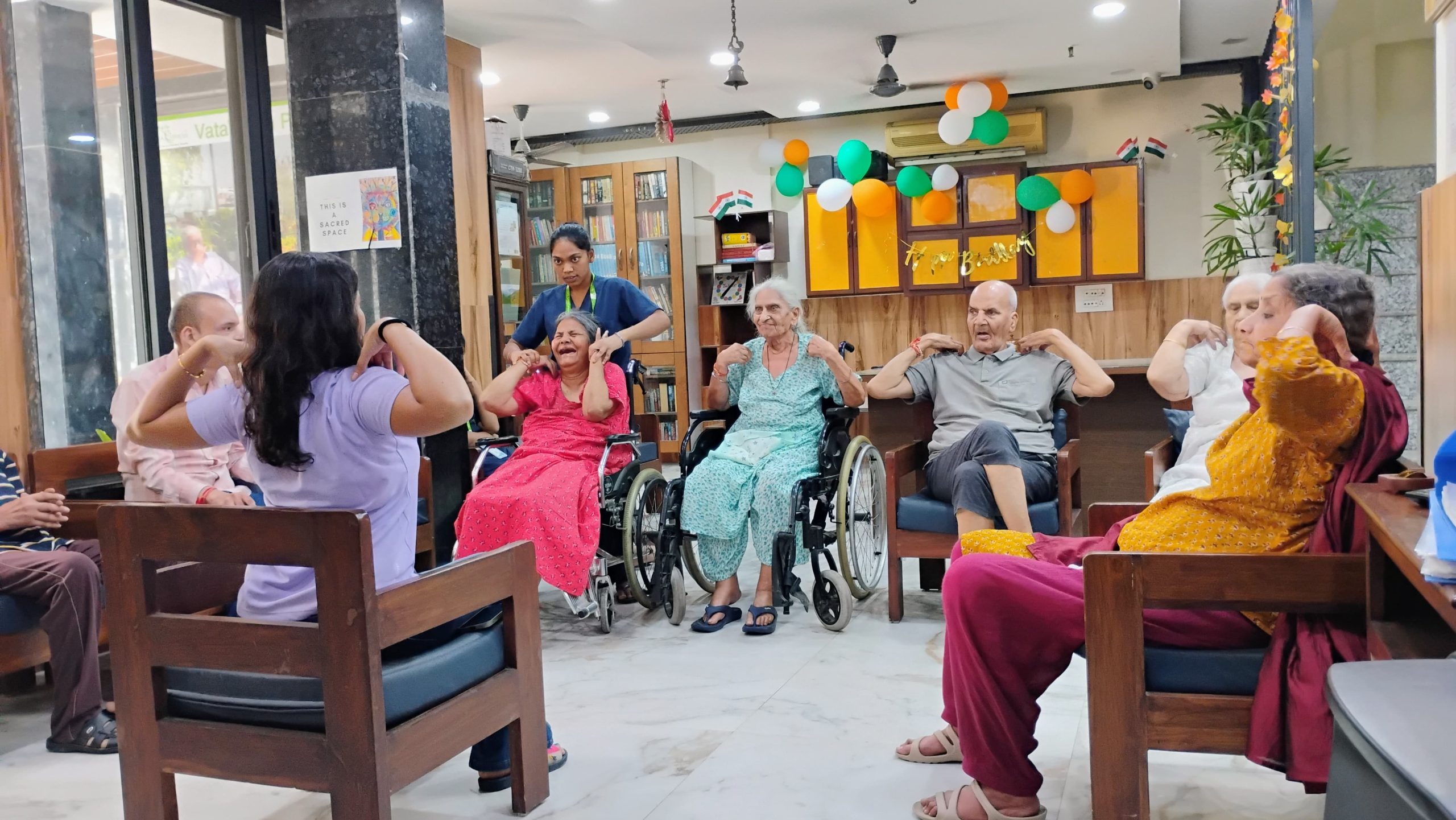
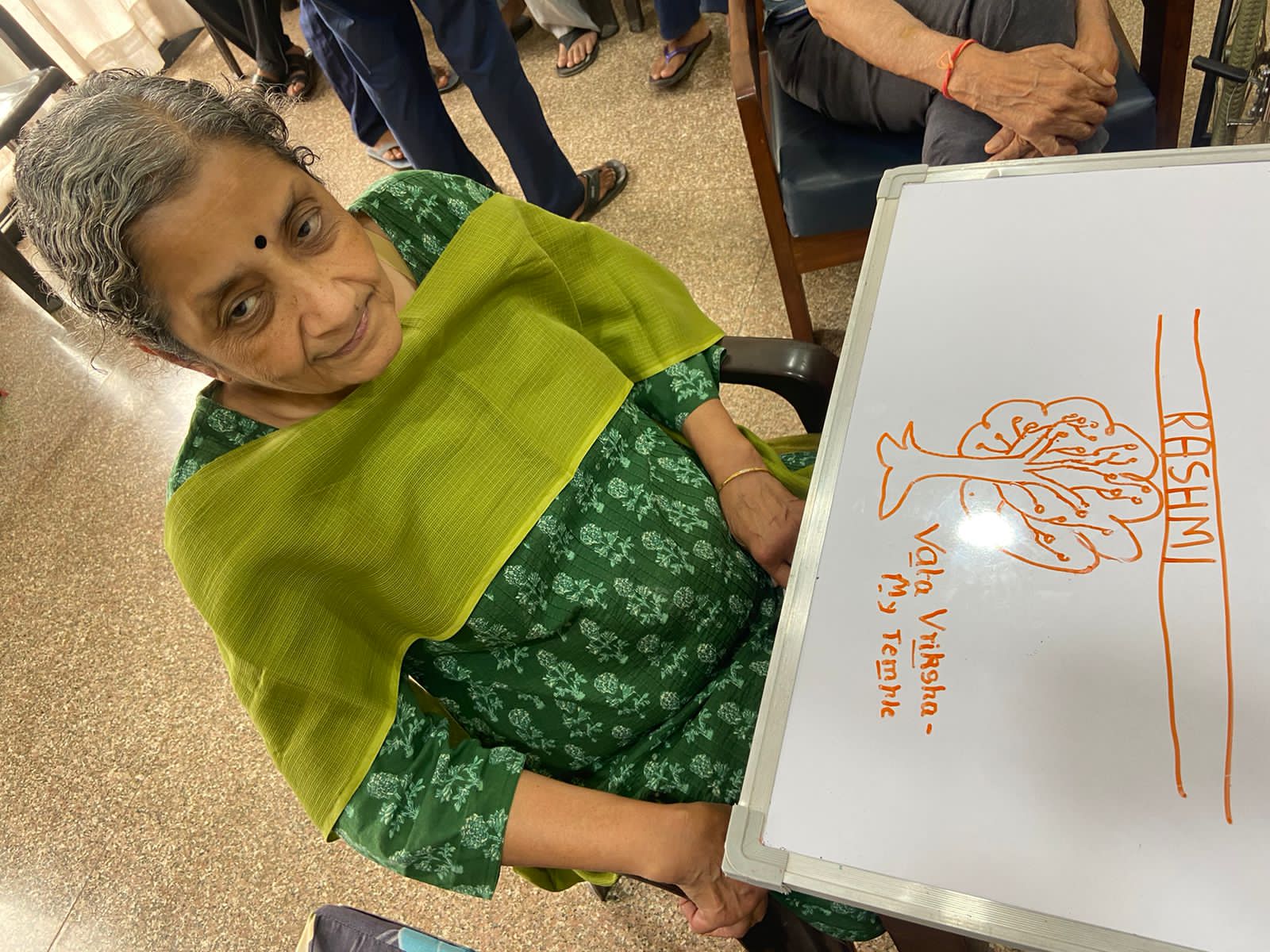
In today’s fast-paced world, cognitive abilities like memory, attention, problem-solving, and decision-making play a crucial role in our daily functioning. When these abilities are affected due to brain injury, neurological conditions, aging, or mental health challenges, cognitive rehabilitation emerges as a powerful, science-backed approach to recovery and improvement.
This article explores what cognitive rehabilitation is, who it helps, how it works, and why it is becoming increasingly relevant in modern healthcare.
What Is Cognitive Rehabilitation?
Cognitive rehabilitation is a structured, therapeutic process designed to improve or compensate for impaired cognitive functions such as:
- Memory
- Attention and concentration
- Executive functions (planning, reasoning, decision-making)
- Language and communication
- Visual-spatial skills
It is not just about “exercising the brain.” Instead, it focuses on restoring functional independence, improving quality of life, and helping individuals adapt effectively to everyday challenges.
Who Needs Cognitive Rehabilitation?
Cognitive rehabilitation is beneficial for people across all age groups, including:
1. Neurological Conditions
- Stroke
- Traumatic brain injury (TBI)
- Parkinson’s disease
- Multiple sclerosis
- Epilepsy
2. Neurodegenerative Disorders
- Alzheimer’s disease
- Dementia and mild cognitive impairment (MCI)
3. Mental Health Conditions
- Depression-related cognitive slowing
- Anxiety-related attention difficulties
- Schizophrenia and bipolar disorder
4. Aging Population
- Normal age-related cognitive decline
- Older adults seeking to maintain mental sharpness and independence
Core Components of Cognitive Rehabilitation
1. Cognitive Training
Targeted exercises designed to strengthen specific cognitive domains such as memory recall, attention span, and processing speed.
2. Compensatory Strategies
Teaching practical techniques like note-taking, reminders, environmental structuring, and assistive tools to manage cognitive challenges.
3. Functional Skill Development
Applying cognitive skills to real-life situations such as managing finances, medication adherence, social interaction, and daily planning.
4. Psychoeducation
Helping individuals and caregivers understand cognitive changes, set realistic goals, and reduce frustration or anxiety related to impairment.
Evidence-Based Approaches Used in Cognitive Rehabilitation
Modern cognitive rehabilitation integrates multiple scientifically supported methods:
- Neuropsychological assessment-based interventions
- Computer-assisted cognitive training
- Behavioral and cognitive-behavioral techniques
- Occupational therapy integration
- Mindfulness and attention regulation exercises
Research consistently shows that personalized, goal-oriented cognitive rehabilitation produces better and longer-lasting outcomes than generic brain games.
Benefits of Cognitive Rehabilitation
Cognitive rehabilitation goes beyond symptom improvement. Its broader benefits include:
- Improved daily functioning and independence
- Enhanced confidence and emotional well-being
- Reduced caregiver burden
- Better social participation
- Slower cognitive decline in degenerative conditions
For many individuals, it restores not just cognitive skills, but also a sense of control and dignity.
Cognitive Rehabilitation and Brain Plasticity
One of the most encouraging aspects of cognitive rehabilitation is its foundation in neuroplasticity – the brain’s ability to reorganize and form new neural connections throughout life.
With consistent training and appropriate stimulation, the brain can compensate for damaged areas and strengthen existing pathways, even in later adulthood.
The Role of Technology in Cognitive Rehabilitation
Advancements in technology have transformed cognitive rehabilitation by introducing:
- AI-based cognitive assessment tools
- Adaptive training programs
- Mobile apps for daily cognitive practice
- Tele-rehabilitation for remote access
When combined with professional supervision, technology enhances engagement, accuracy, and long-term adherence.
Choosing the Right Cognitive Rehabilitation Program
An effective cognitive rehabilitation program should be:
- Individualized and assessment-driven
- Supervised by trained professionals
- Goal-oriented and function-focused
- Regularly monitored and updated
Avoid one-size-fits-all solutions. Cognitive challenges are highly individual, and so should be the intervention.
Final Thoughts
Cognitive rehabilitation is not about “fixing” a person – it is about empowering the mind to function at its best possible level. Whether recovering from injury, managing a neurological condition, or supporting healthy aging, cognitive rehabilitation offers hope, structure, and measurable progress.
As awareness grows, cognitive rehabilitation is becoming an essential pillar of holistic mental and neurological healthcare.
Written by:
Dr Subodh Kumar
Cognitive Psychologist