In India, the phrase Vriddhashram (Old Age Home) often carries a heavy, silent weight. It conjures images of abandonment, neglect, and a failure of “filial piety.” When a child considers a senior care center, the first thought isn’t usually about medical facilities – it’s “What will the neighbors say?”
This societal pressure forces families into a guilt-ridden paradox: keeping parents at home in an environment that may not meet their complex needs, or choosing professional care and facing the “judgment” of the community.
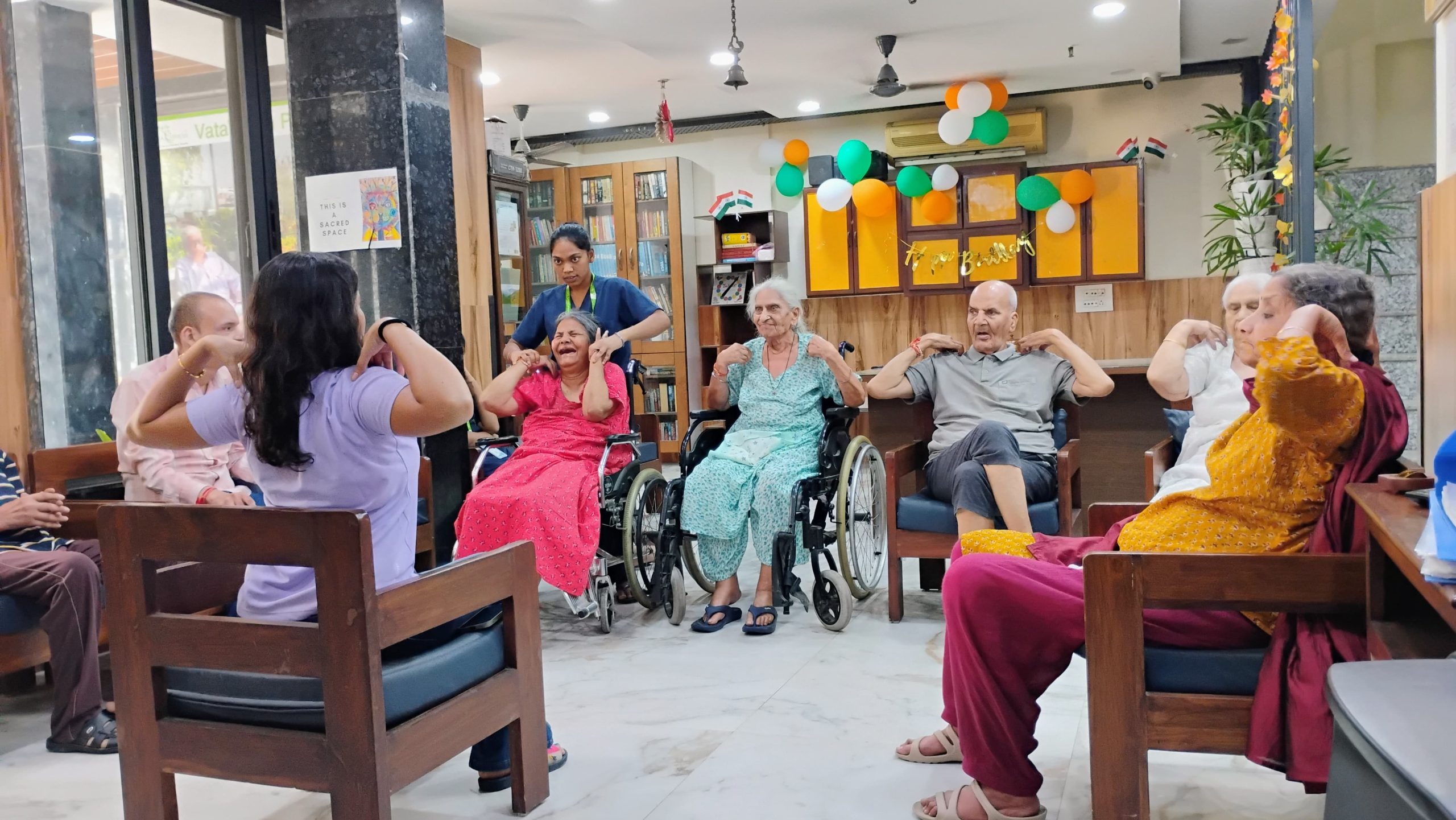
However, the modern reality of Senior Assisted Living is a world apart from the traditional Vriddhashram. While the old-age homes of the past were often charitable “warehouses” for the destitute, today’s assisted living communities are premium, hospitality-led environments. They are designed not for those who have nowhere to go, but for those who want to go further – offering a lifestyle of autonomy, active social engagement, and high-tech medical safety that a standard household simply cannot replicate.
It is time to peel back the layers of this taboo and understand why professional senior care is often the most compassionate, practical, and psychologically sound choice a family can make. Choosing assisted living isn’t about moving your parents out; it’s about moving them into a safer, happier, and more dignified chapter of their lives.
1. The Psychology of Guilt: Breaking the “Good Child” Myth
The resistance to senior care is rooted in Collectivist Psychology. In Indian culture, identity is deeply tied to family roles.
- Internalized Duty: We are raised believing a “good” child is the sole caregiver. When we cannot fulfill this – due to work, distance, or medical complexity – we experience Cognitive Dissonance: a mental conflict between our love for our parents and our inability to provide 24/7 specialized care.
- The Spotlight Effect: We overestimate how much “society” is judging us. Most people are preoccupied with their own lives. Those who do judge often do so from a place of tradition, not from an understanding of your parent’s specific health requirements.
Shift the Perspective: Real love is choosing what is best for the elderly parent’s quality of life, even if it challenges your public image.
2. Traditional “Old Age Home” vs. Modern “Senior Living”
Much of the taboo stems from an outdated mental image. We must distinguish between the charitable shelters of the past and the premium assisted living of today.
| Feature | Traditional Old Age Home | Modern Senior Care / Assisted Living |
| Primary Philosophy | Charity/Shelter: A last resort for those with no resources. | Lifestyle/Wellness: A premium choice for safety and community. |
| Medical Support | On-call doctors or basic first-aid. | 24/7 nursing, emergency response, and geriatric specialists. |
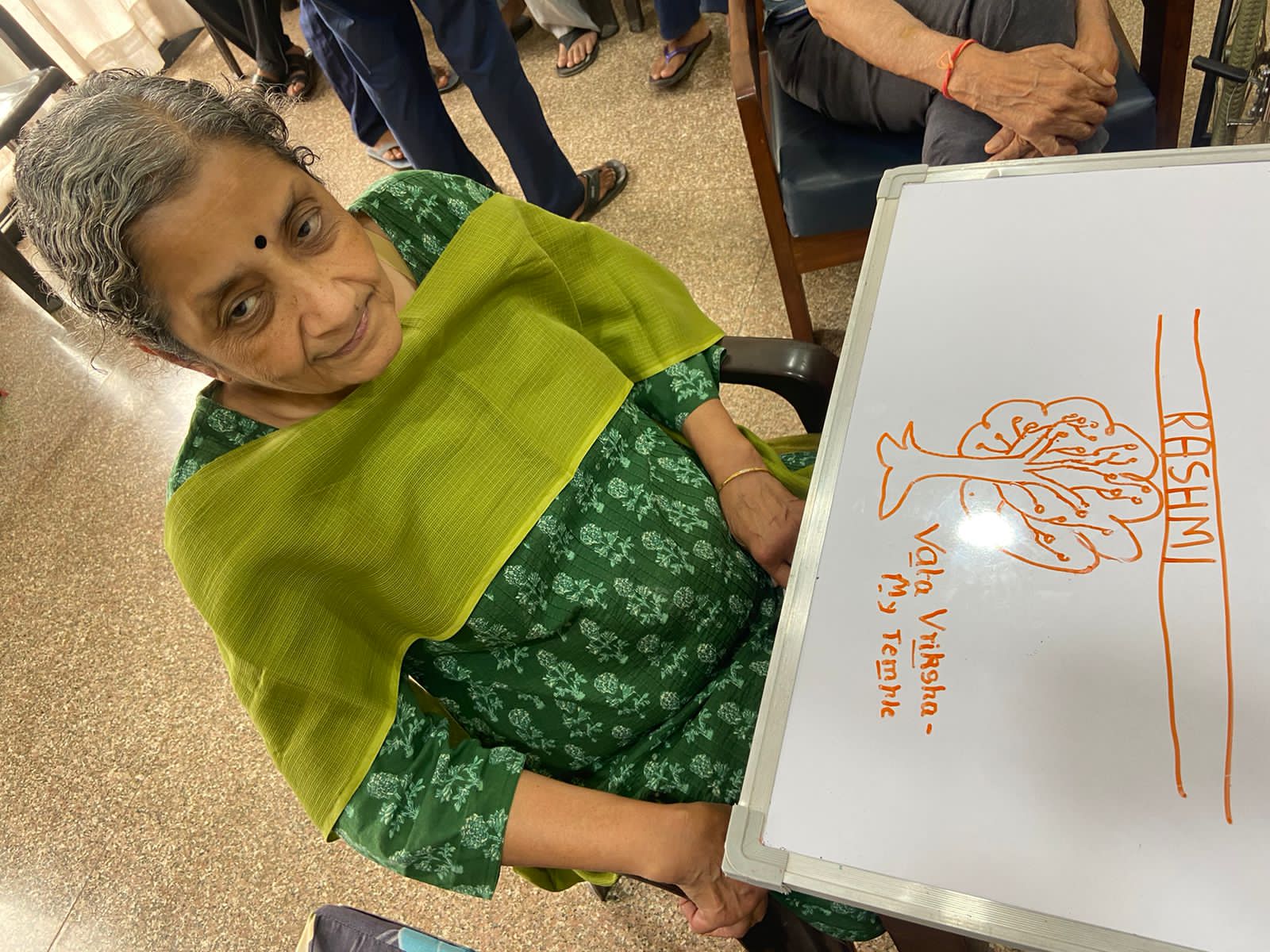
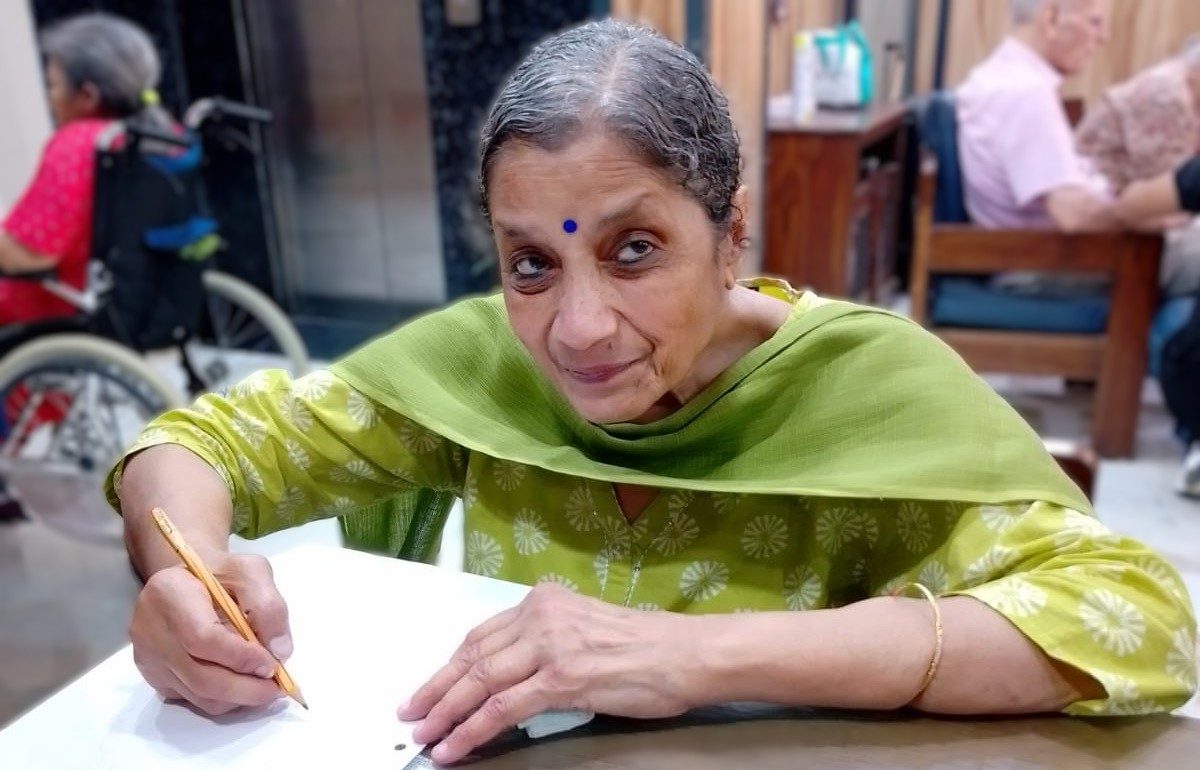
| Social Life | Passive; limited to TV or communal dining. | Active; yoga, cognitive stimulation, indoor games, art & craft, hobby clubs, movie nights, and excursions. |
| Dietary Needs | General mass-produced meals. | Tailored nutrition (Diabetic, Renal, etc.) by nutritionists. |
3. Why Professional Care Matters: The Practical Reality
While “staying at home” sounds ideal, the reality of aging involves complexities that a loving family member – or even a domestic helper – is not trained to handle.
- Combating the “Silent Killer” (Isolation): Social isolation in seniors is linked to rapid cognitive decline and depression. In a professional center, parents are surrounded by peers, preventing the loneliness that often occurs in a quiet family home where adults are at work and kids are at school.
- Safety Infrastructure: Most Indian homes are not “age-proofed.” Senior centers feature anti-skid floors, grab bars, and wheelchair accessibility as a standard, significantly reducing the risk of life-altering falls.
- The “Expertise” Gap: We often hire untrained domestic help. Psychologically, this can be damaging; a senior may feel vulnerable or bullied by a “maid,” whereas a trained nurse provides care with professional boundaries and medical vigilance.
4. Transitioning from “Caregiver” back to “Child”
When you become a full-time caregiver for a parent with high needs (like dementia), the relationship dynamic shifts. You become a pharmacist, a nurse, and a disciplinarian. This Caregiver Burden leads to burnout and, ironically, resentment.
By choosing professional care, you delegate the clinical tasks. This allows your time with your parents to be quality time. You can go back to being the son or daughter – sharing a meal and talking about memories – rather than arguing over medicine schedules.
5. Practical Tips for Making the Transition
- Involve Them Early: Don’t wait for a medical crisis. Discuss “assisted living” as a lifestyle choice for their safety and social life.
- The “Respite” Trial: Many centers offer 15–30 day short-term stays. Let your parents try it out as a “holiday” to experience the community first-hand.
- The “Expertise” Response: If relatives judge you, use the Expertise Framework:
“Just as we send our children to the best schools for their growth, we have chosen a professional environment for my parents’ health. They have 24/7 medical access and a social life we couldn’t provide at home.”
Final Thought: Society Doesn’t Live Your Life
At 3 AM, “society” won’t be there when a parent needs medical intervention, nor will they provide the intellectual stimulation a lonely senior craves. Choosing a modern care center isn’t about moving your parents out; it’s about moving them into a safer, more engaged chapter of their lives.
Take the First Step Toward Their Best Life
Choosing the right path for your parents is one of the most significant decisions you’ll ever make. Don’t let outdated stigmas stand in the way of their safety and happiness.
Are you ready to explore what modern senior assisted living looks like? *Download our “Senior Care Vetting Checklist” to know exactly what to look for during your visits.
- Book a Tour: Visit us to see the difference between a “home” and a “lifestyle” firsthand.
- Talk to an Expert: Schedule a free consultation with our advisors to find a community that fits your parent’s unique needs.
Your parents gave you the best start in life. Now, give them the best chapter yet.
– Dr Subodh Kumar
Project Director & Cognitive Psychologist,
VataVriksh Parent Care