Breaking the Ripple Effects of Isolation
Parkinson’s disease is often discussed in terms of physical symptoms such as tremors, stiffness, or difficulty in movement. However, one of the most overlooked challenges faced by people living with Parkinson’s is social isolation. As the condition progresses, individuals may gradually withdraw from social activities, leading to loneliness and emotional distress.
This isolation does not affect the patient alone. It creates a ripple effect that also impacts caregivers and family members who shoulder increasing responsibilities. Understanding the importance of social connection and supportive care environments can play a crucial role in improving the quality of life for both people with Parkinson’s and those who care for them.
Loneliness in Home Care Settings
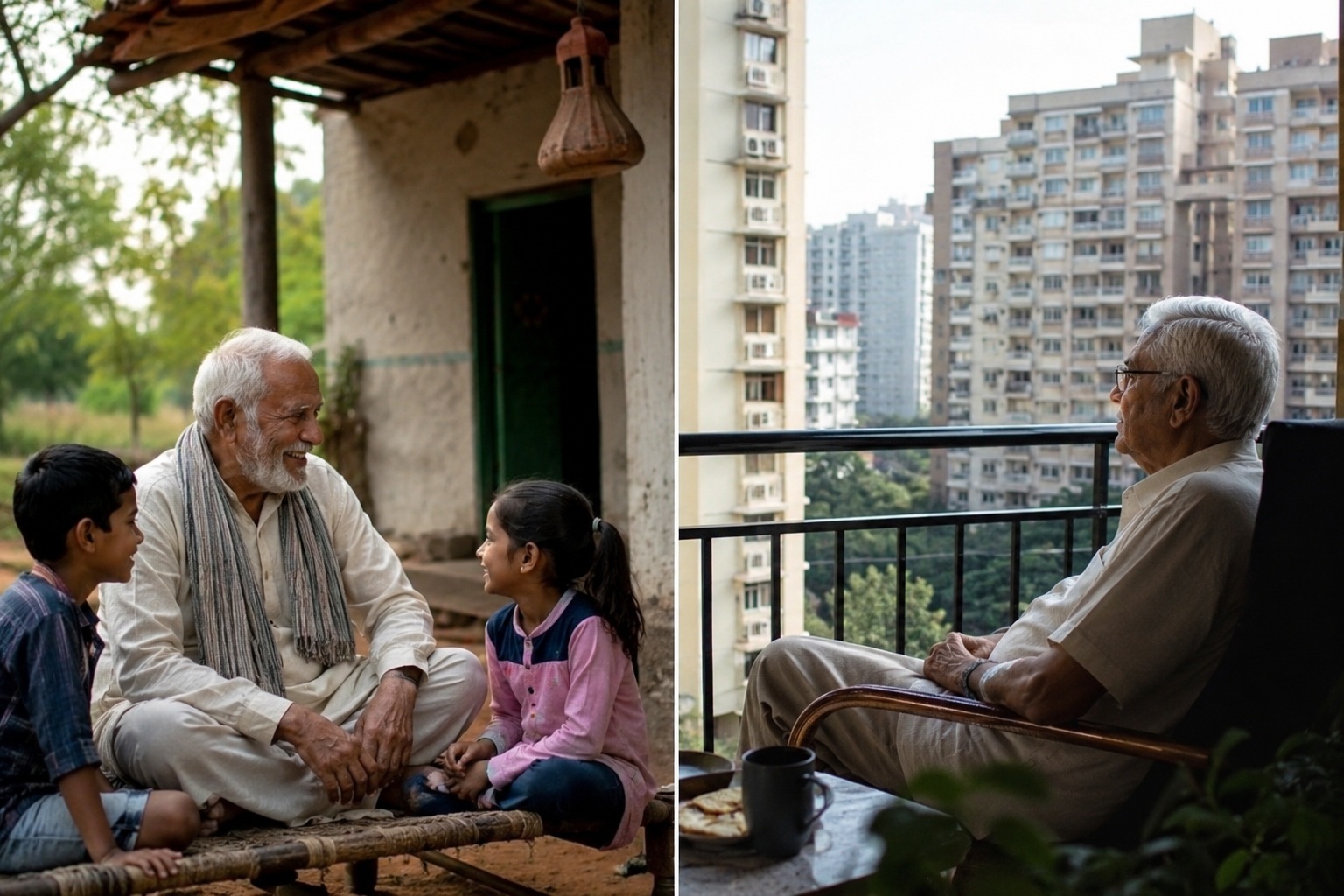
For people with Parkinson’s, receiving care at home with the help of family members or others is common. While it may be comfortable and familiar to be at home, it may also mean a lack of social life. Difficulty in moving around may cause a person with Parkinson’s to step out of the house and socialize with people as frequently as they used to before.
Eventually, a person with Parkinson’s may only have social interactions with one or two people. While this may not have a significant impact on a person with Parkinson’s in the short term, it may have a negative impact on their lives in the long term because of a lack of connection with the outside world. On the other hand, the caregiver may have a lot of responsibilities. It is common for family members of people with Parkinson’s to have multiple roles: caregiver, emotional support person, and household manager. While these responsibilities may be handled with love and commitment, the caregiver may find it overwhelming at times.
How Isolation Affects the Family
The effects of isolation may also be felt beyond the patient. The family may be challenged to balance their role as caregivers and their other responsibilities. This may cause them stress and burnout as they try to manage everything on their own. The caregivers may also feel guilty about their need for respite and their inability to do more. However, the lack of respite may cause them health and emotional challenges. The more they become exhausted, the less they will be able to offer the quality of care they wish to offer. Thus, the need to recognize and address the challenges is an important move towards improving the lives of people suffering from Parkinson’s and their families.
Role of Parent-Care Assisted Living in Restoring Connection
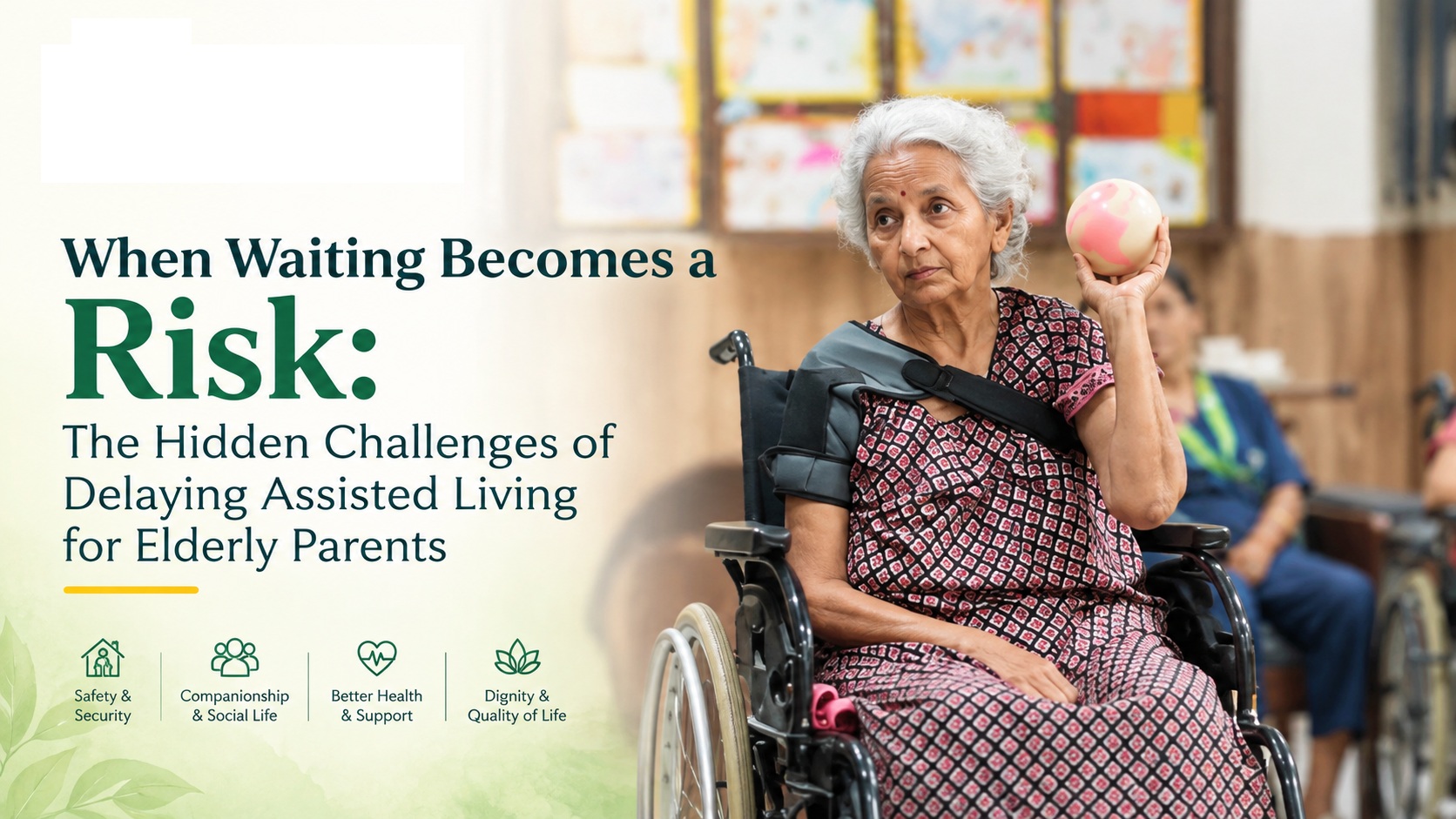
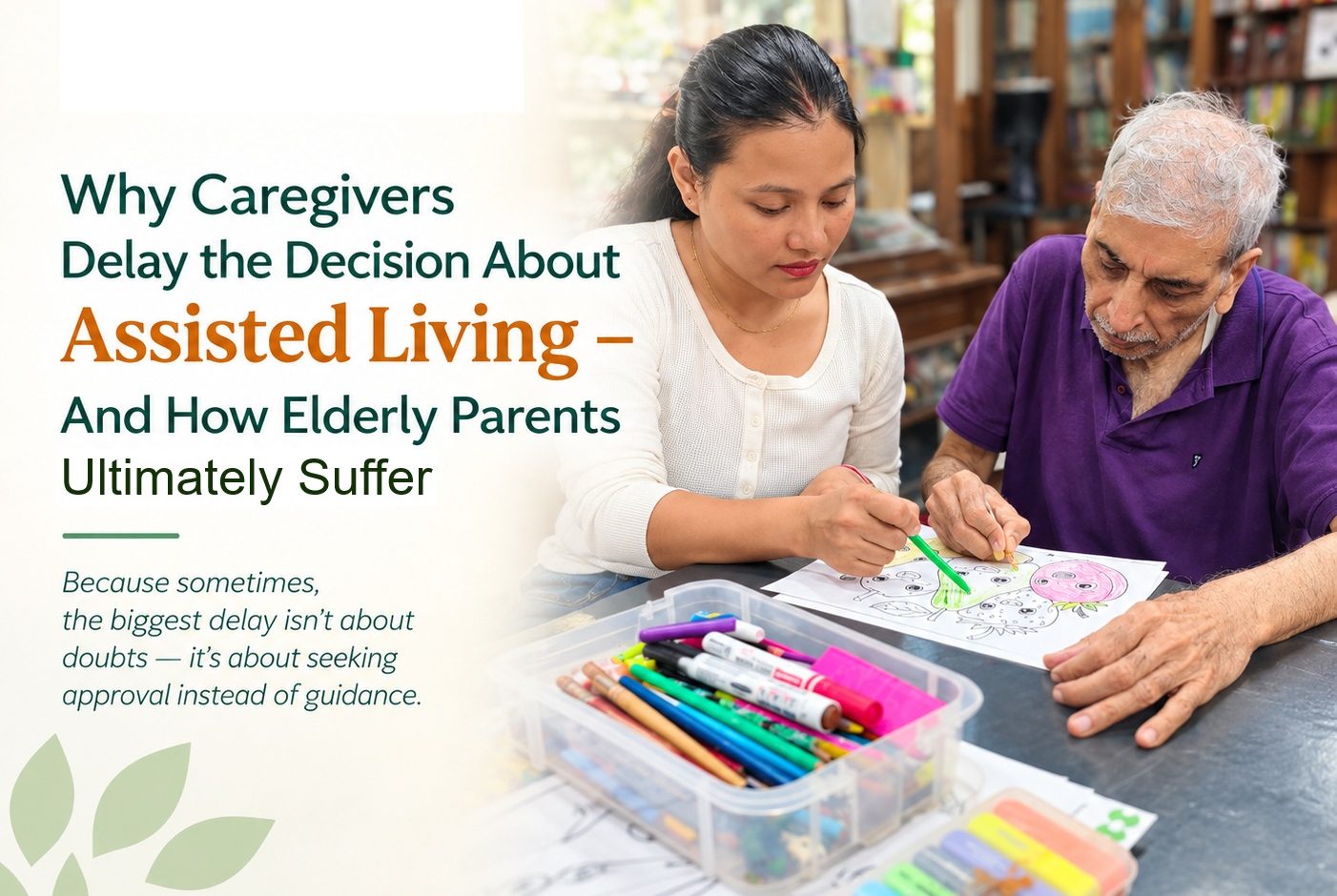
Assisted living facilities can be a safe environment for individuals living with Parkinson’s to recreate connections that were previously lost. Unlike living in isolation in one’s own home, these facilities are able to provide a space where individuals are able to connect with other people who are going through similar experiences. Individuals are encouraged to stay active through various activities such as social activities, exercises, and other activities such as dancing or singing together. These activities not only bring joy to these individuals but are also important for their mental well-being and help keep them physically active. Most importantly, these facilities are able to help individuals regain a sense of independence and belonging. Being in a community where help is readily available can be a major change for individuals living with Parkinson’s.
Supporting the Caregivers as Well
Assisted living facilities create a feeling of relief for the family caregivers. No more are they burdened with the sole responsibility of providing care for the person with Parkinson’s. With the presence of a team of professionals to assist with the medical and day-to-day needs of the individual, the family now gets the chance to rebuild their relationship. Rather than concentrating on the care of the individual with Parkinson’s, the family gets the chance to spend quality time with the person they love. This helps them reconnect on a personal level through talking, sharing stories, and having the company of one another. The family gets a chance to benefit from the care facilities by improving the health of the caregivers.
Conclusion: Rebuilding Connection and Community
While Parkinson’s disease has an undeniable impact on physical health, it also profoundly impacts social relationships and emotional and familial well-being. As the Specter of isolation begins to creep into the lives of those suffering from Parkinson’s and their loved ones, it’s important that steps be taken to alleviate the isolation and restore the connections that were once so prevalent. Assisted living communities and supportive care environments play an important role in rebuilding the connections and community that was previously lost due to the disease. Here, those suffering from Parkinson’s can find a renewed sense of community and connection that will allow them to thrive emotionally and physically. Additionally, it will allow the families of those suffering from the disease to reconnect and rebuild their relationships. No longer will they be forced to worry about the care of their loved ones; they will be able to reconnect on an emotional level and rebuild their relationships.
At the end of the day, it is the rebuilding of the relationship and community that is the solution to ending the ripple effect of loneliness. When people with Parkinson’s and those caring for them are provided with a caring system and a community, they are able to deal with the situation with a sense of dignity, resilience, and a new sense of community.
Looking for Compassionate Parent Care?
If you or your loved ones are seeking a safe, nurturing, and dignified environment for elderly parents, VataVriksh Parent Care is here to help.
- Explore our Parent Care services
- Schedule a visit or consultation
- Let us help your parents rediscover comfort, care, and peace
Written by:
Navya Rawat
Psychology Intern, VataVriksh Parent Care
Psychology Student, Kamala Nehru College, University of Delhi
Edited and Reviewed by Dr Subodh Kumar, Project Director & Cognitive Psychologist at VataVriksh Parent Care