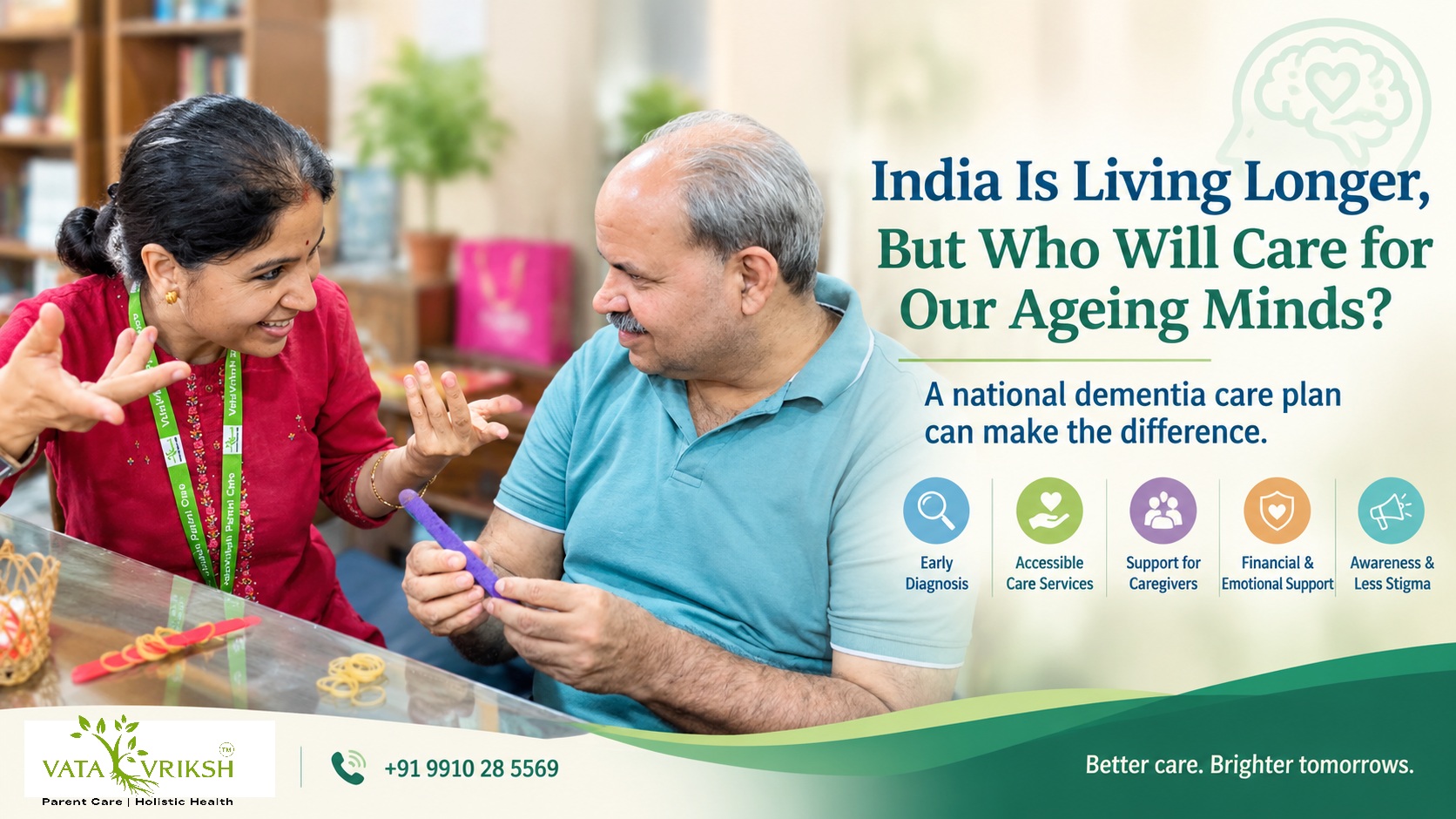
Introduction: When Children Leave Home, Parents Face a New Reality
As India experiences significant demographic changes, the challenges of caring for its ageing population are becoming increasingly visible. Longer life expectancy is a positive development, but it also brings greater responsibility towards the physical, emotional and cognitive well-being of older adults.
One issue receiving growing attention is Empty Nest Syndrome, a situation in which parents experience loneliness, sadness and emotional adjustment difficulties when their children leave home for higher education, employment, marriage or other life commitments.
For many elderly parents, particularly those living alone, the absence of children can bring changes to everyday routines, social interaction and emotional well-being. What may initially appear to be a normal transition can sometimes develop into prolonged loneliness and social isolation.
A recent report published in The Hindu, titled “Empty nest syndrome poses challenge to elderly care in State: geriatrician”, highlighted these concerns and the growing need to strengthen geriatric healthcare in India.
The discussion underlines an important reality: elderly care must extend beyond treating illnesses. It must include prevention, early identification, rehabilitation, cognitive health and sustained social engagement.
1. Empty Nest Syndrome: An Emerging Concern in Elderly Care
Traditionally, Indian families have relied heavily on intergenerational living and family-based support systems. However, changing employment patterns, migration, urbanisation and evolving family structures have transformed the way older adults live.
Today, many senior citizens find themselves living independently while their children settle in different cities or countries.
Empty Nest Syndrome may involve:
- Feelings of loneliness and emotional isolation.
- Reduced social interaction and engagement.
- Difficulty adjusting to changes in daily routines.
- Loss of a sense of purpose after children leave home.
- Increased dependence on limited social support systems.
Not every parent experiences these challenges in the same way. However, prolonged isolation and reduced engagement deserve attention, particularly when accompanied by changes in mood, memory or everyday functioning.
The solution is not simply to encourage older adults to remain occupied. It is important to create meaningful opportunities for participation, companionship, independence and emotional well-being.
2. Why Preventive Geriatric Healthcare Is Becoming Essential
An important observation highlighted by geriatrician Dr V.S. Natarajan in the newspaper report was the need to focus on preventive geriatrics.
Preventive geriatric healthcare involves identifying potential health concerns early and taking appropriate steps to maintain an older person’s physical, cognitive and functional abilities.
Regular health assessments become increasingly important as people age. The report specifically highlighted periodic health check-ups for individuals above 50 years of age to help identify diseases at an early stage.
A comprehensive approach to elderly healthcare should consider:
Physical health: Monitoring blood pressure, pulse, temperature, oxygen saturation, mobility and other relevant health indicators.
Cognitive health: Recognising changes in memory, attention, communication, judgement and problem-solving abilities.
Emotional well-being: Identifying loneliness, social withdrawal, persistent sadness and changes in behaviour.
Functional independence: Assessing the ability to perform activities of daily living (ADLs), including bathing, dressing, eating, mobility and personal care.
Rehabilitation: Supporting recovery and functional improvement following illness, surgery, stroke or periods of reduced mobility.
Preventive healthcare can help identify concerns earlier and support timely medical consultation and appropriate intervention.
3. Dementia: A Growing Challenge for India’s Ageing Population
One of the most important concerns associated with an ageing population is the increasing burden of dementia and other neurological conditions.
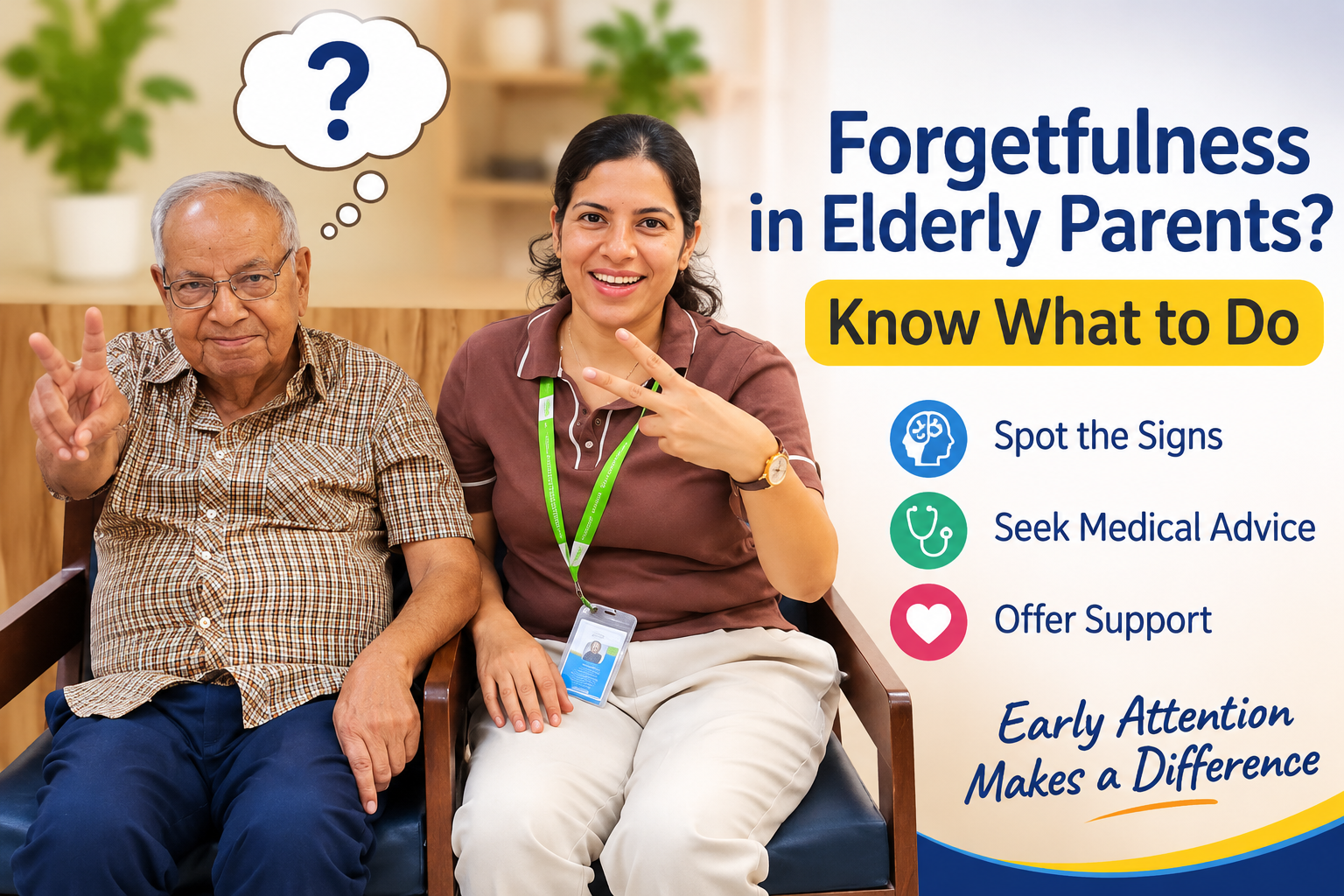
Dementia is not a normal or inevitable part of ageing. It refers to a group of conditions that affect memory, thinking, communication, behaviour and the ability to carry out everyday activities.
As highlighted in the newspaper report, dementia cases in India involve different underlying conditions and are not limited to Alzheimer’s disease.
Some important conditions include:
- Alzheimer’s disease.
- Vascular dementia.
- Dementia with Lewy bodies.
- Frontotemporal dementia.
- Other neurological and medical conditions that can affect cognitive functioning.
Early recognition is important because different conditions may require different medical assessments and care approaches.
Families should pay attention to persistent changes such as:
- Repeatedly forgetting recent conversations or events.
- Difficulty managing familiar daily activities.
- Confusion about time, places or familiar surroundings.
- Changes in communication and decision-making.
- Unusual behavioural or personality changes.
- Increasing dependence on family members for everyday tasks.
A timely consultation with an appropriate medical professional can help establish the cause of these changes and guide further care.
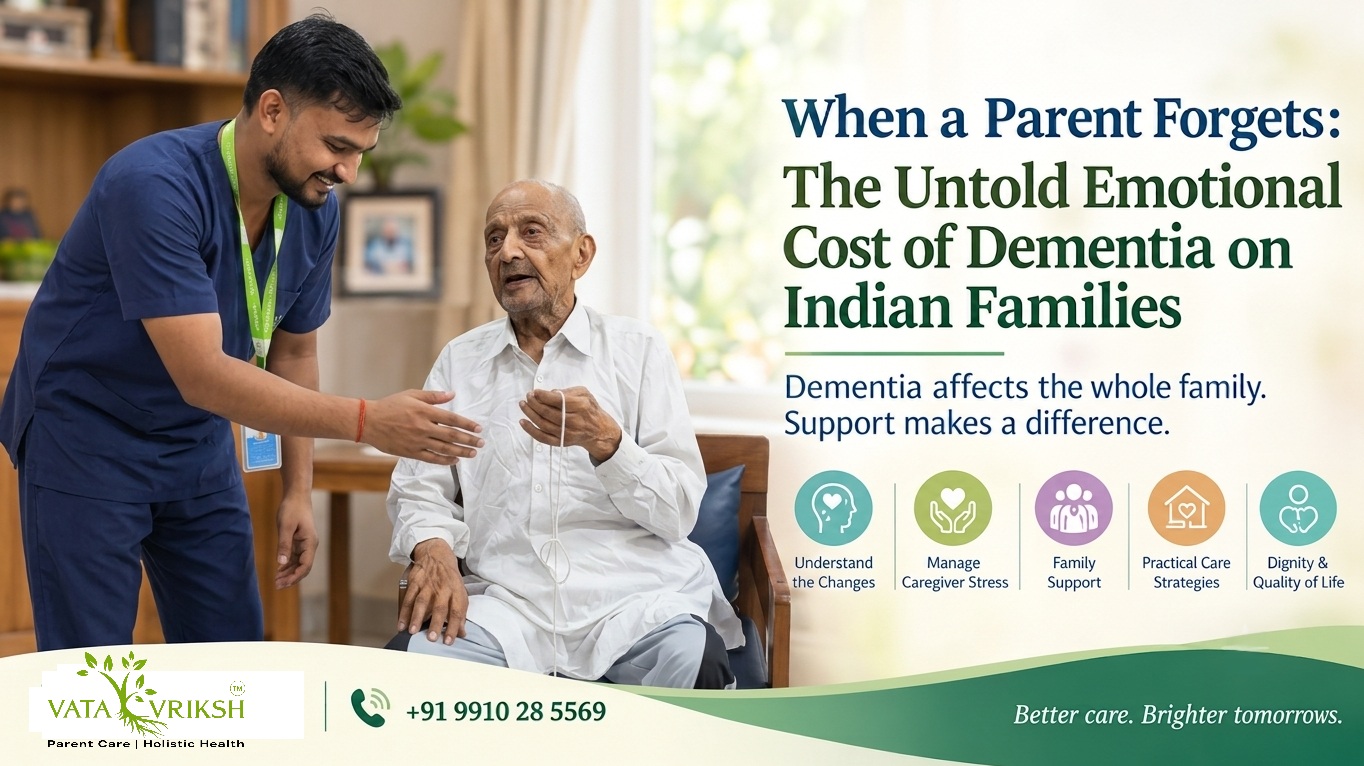
Dementia care should not begin only when a person becomes completely dependent. Early assessment, appropriate support and structured care can make a meaningful difference to the quality of life of both older adults and their families.
4. Why India Needs More Geriatric Care Centres and Rehabilitation Facilities
The newspaper report also highlighted the need for more geriatric departments, specialised care facilities and rehabilitation centres.
This is an important requirement because elderly healthcare is not limited to hospital admissions or emergency medical treatment.
Many older adults require ongoing assistance with everyday activities, supervision, rehabilitation, cognitive stimulation and long-term care.
Different care requirements call for different support systems:
Assisted Living: For senior citizens who require assistance with daily activities, personal care and a supportive living environment.
Memory Care: For individuals experiencing dementia and cognitive decline who need structured routines, supervision and specialised support.
Senior Day Care: For older adults who live with their families but benefit from daytime companionship, activities, health monitoring and caregiver support.
Rehabilitation Care: For individuals recovering from stroke, surgery, illness or mobility-related difficulties.
Respite Care: Temporary care arrangements that provide families and regular caregivers with planned support.
Palliative Care: Support focused on comfort, dignity and quality of life for individuals with serious or life-limiting illnesses.
Developing these services alongside conventional healthcare facilities can help address the diverse needs of India’s ageing population.
5. Senior Day Care: An Important Response to Loneliness and Social Isolation
For elderly parents living alone during the day, senior day care can provide an important source of companionship, engagement and structured support.
A well-designed senior day care programme should go beyond simply providing a place for older adults to spend their time.
It should encourage meaningful participation through activities that support cognitive abilities, physical movement, communication and social interaction.
Examples include:
- Memory and cognitive stimulation activities.
- Group discussions and interactive sessions.
- Music, singing and creative activities.
- Gentle yoga and suitable physical exercises.
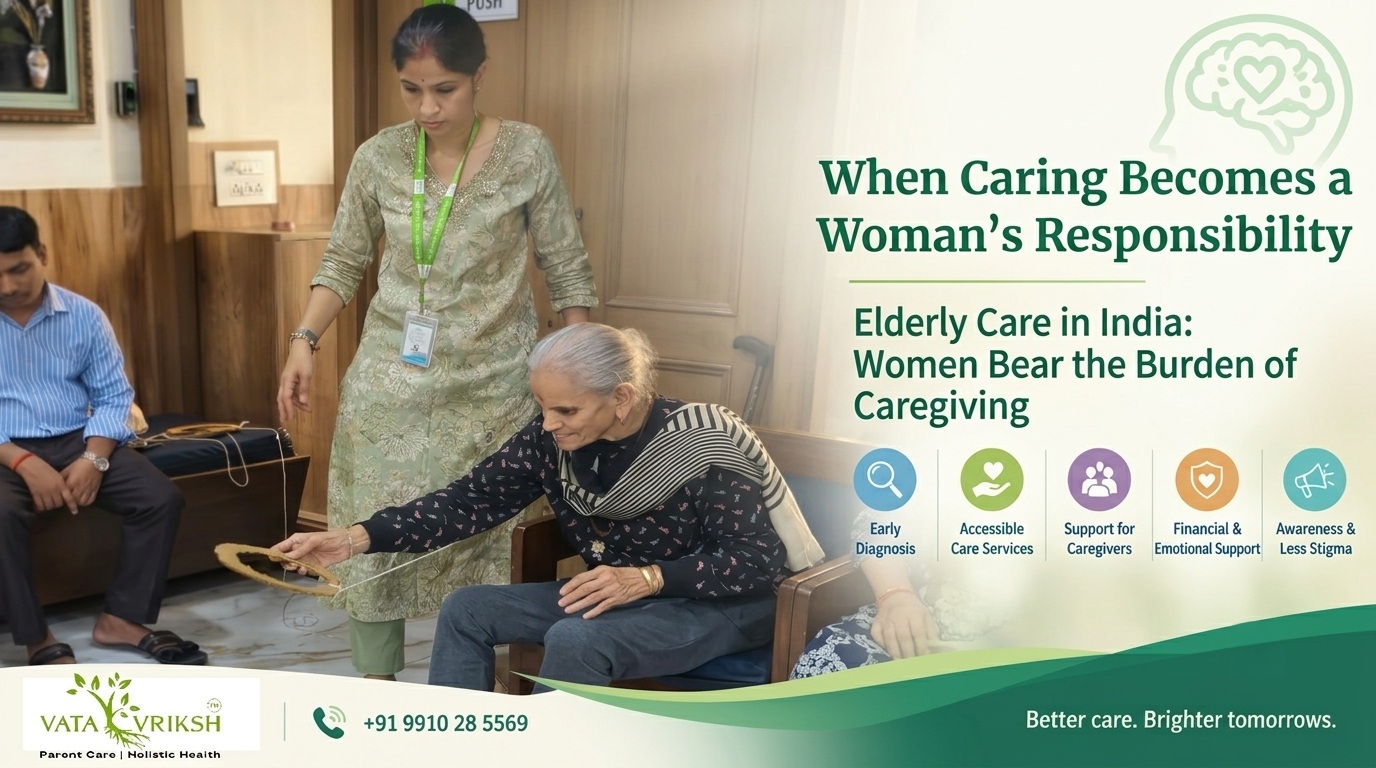
- Fine motor and hand-eye coordination activities.
- Cooking and other purposeful daily-living activities.
- Celebrations, social gatherings and recreational engagement.
Such activities provide opportunities for older adults to maintain social connections, participate in meaningful experiences and develop a structured daily routine.
For families, senior day care can also provide reassurance that their parents have access to companionship and appropriate support during working hours.
6. VataVriksh Parent Care: A Holistic Approach to Senior Care
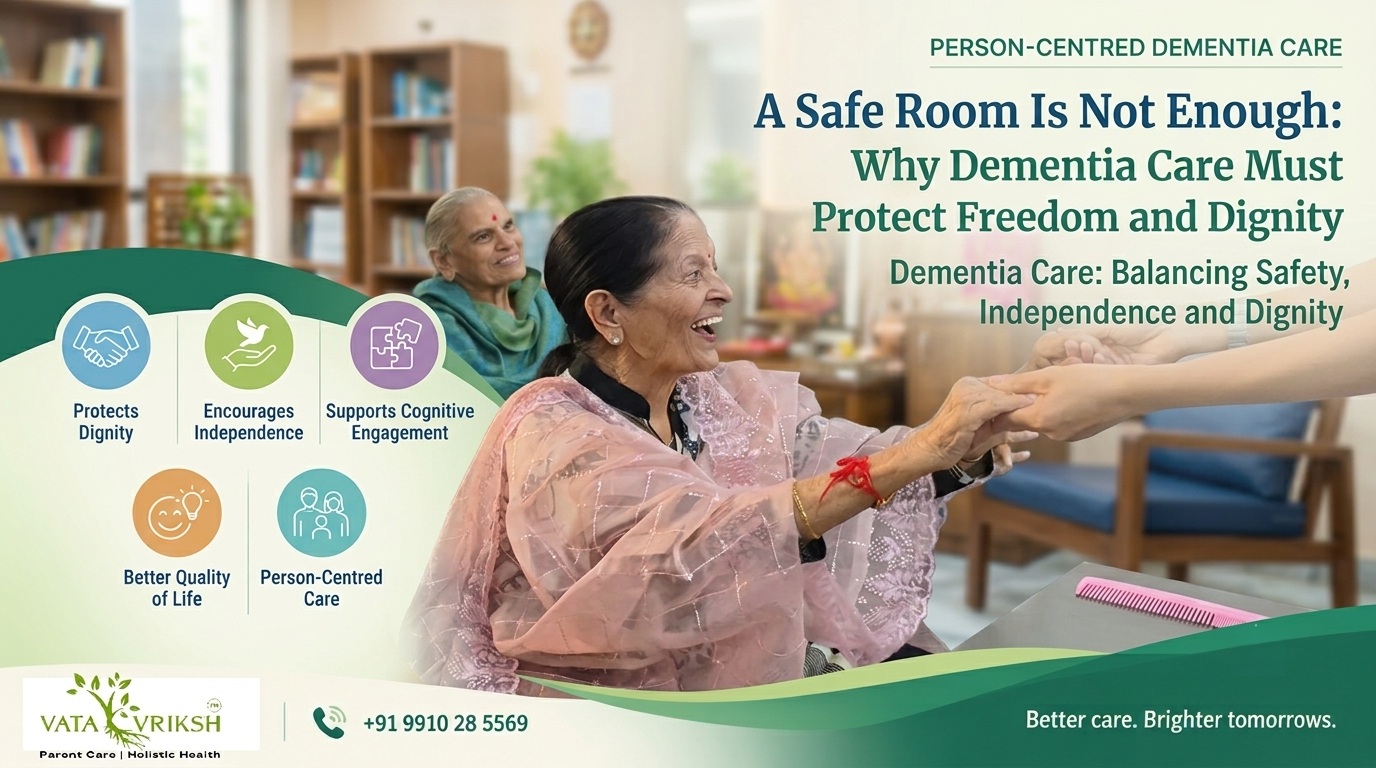
At VataVriksh Parent Care, Gurugram, we believe that elderly care must address more than medical requirements. It should recognise the individual needs, abilities, dignity and emotional well-being of every older adult.
Our approach combines senior care, meaningful engagement, health monitoring and specialised support through different care services.
Our services include:
Assisted Living: A supportive residential environment for senior citizens who require assistance and care in their everyday lives.
Memory Care: Structured care and engagement for older adults living with dementia, Alzheimer’s disease and other cognitive conditions.
Senior Day Care – A Day at VataVriksh: A daytime programme offering meaningful activities, companionship, health monitoring and caregiver support.
Rehabilitation: Support for older adults recovering from stroke, surgery, illness and mobility-related difficulties.
Respite Care: Temporary care and support for older adults when families need additional caregiving assistance.
We also emphasise purposeful activities that encourage participation, cognitive engagement and the maintenance of everyday living skills.
Our objective is to create an environment where older adults are not merely cared for but remain valued, involved and connected.
7. Elderly Care Is a Shared Responsibility
The growing challenges of empty nest syndrome, dementia and age-related health conditions require attention from families, healthcare professionals, care institutions and policymakers.
Families must recognise that providing for elderly parents involves more than financial support. Regular communication, emotional involvement, timely health assessments and appropriate care arrangements are equally important.
Healthcare institutions must strengthen preventive geriatrics, dementia awareness, rehabilitation and specialised elderly care.
Policymakers must encourage the development of accessible geriatric services, trained caregiving professionals and appropriate long-term care infrastructure.
Most importantly, society must move away from viewing elderly care as an occasional responsibility and recognise it as an essential part of the healthcare system.
Conclusion: Ageing with Dignity Requires Care Beyond Medical Treatment
Empty Nest Syndrome and the growing burden of dementia highlight the changing realities of elderly care in India.
As family structures evolve and life expectancy increases, the need for preventive geriatric healthcare, senior day care, dementia care, assisted living and rehabilitation will continue to become more important.
Older adults deserve more than assistance with their medical needs. They deserve companionship, respect, meaningful engagement, independence wherever possible and an environment that supports their overall well-being.
At VataVriksh Parent Care, Gurugram, we believe that caring for older adults means supporting their health, preserving their dignity and making every stage of ageing more meaningful.
Because those who spent their lives caring for their families deserve care, companionship and dignity in return.
About VataVriksh Parent Care
VataVriksh Parent Care is a senior care facility in Gurugram, Haryana, offering assisted living, memory care, dementia and Alzheimer’s care, senior day care, respite care, rehabilitation and other specialised elderly care services.
Address: 888 Saraswati Vihar, MG Road, Gurugram, Haryana – 122002.
Website: https://vatavriksh.com/
Contact: +91 99102 85569
Explore our services: https://vatavriksh.com/best-assisted-living-in-gurgaon/
Written by:
Dr Subodh Kumar