Population aging has become a primary social and psychological focus in modern societies. With increasing life expectancy and shifting family dynamics, the emotional well-being of older adults has gained significant attention.
One of the most pressing challenges faced by seniors today is loneliness. It is a silent epidemic that affects not only mental health but also physical and social functioning. Even in the heart of India’s collectivistic society—traditionally known for strong joint family systems—many seniors continue to experience feelings of isolation and neglect.
Understanding loneliness is essential for promoting healthy aging and improving the quality of life. In this blog, we explore the nuances of social isolation, why it peaks in later life, and how we can foster belonging through community support.
What is Loneliness? (Expectation vs. Reality)
Loneliness is more than just being alone; it is the emotional distress resulting from a perceived lack of desired companionship. You can feel lonely in a crowded room if your needs for intimacy and understanding are not met.
Fundamentally, loneliness stems from a gap between expected and actual relationships. Seniors often want to be heard and involved, yet they frequently feel sidelined. Their insights are sometimes dismissed due to ageist stereotypes, leaving them feeling like they no longer contribute to the world around them.
The Paradox of Isolation in India
In Indian culture, it is common for seniors to live with their children and extended relatives. However, physical proximity does not always equal emotional connection. Studies indicate that despite living in a collectivistic culture, 50-65% of India’s elderly population experiences significant loneliness. This highlights an urgent need to move beyond “co-living” and toward “active involvement” with love and care.
VataVriksh Parent Carerecognizes that seniors have six core expectations for their social relationships:
- Availability: Having consistent social contacts.
- Support: Receiving tangible care and emotional backing.
- Intimacy: Feeling understood on a deep level.
- Shared Interests: Enjoying activities with like-minded peers.
- Generativity: Feeling that they are contributing to the next generation.
- Respect: Being valued for their wisdom and life experience.
Why Does Loneliness Increase with Age?
Several life transitions can trigger a sense of isolation:
- Retirement: Losing a professional identity and the daily structure of work can leave a void in purpose.
- Bereavement: The loss of a spouse—the person with whom a lifetime of memories was shared—is a profound trauma that is difficult to navigate alone.
- The “Background” Effect: As family structures evolve, seniors who were once the “backbone” of the home often feel they have become “background” characters. Many stay silent about their struggles to avoid being a “burden” to their children.
The health risks are real. Researchers suggest that chronic loneliness carries a medical risk comparable to, or even greater than, smoking and obesity, potentially leading to heart disease, stroke, and cognitive decline like Alzheimer’s.
Path to Connection: How to Combat Loneliness
Healing loneliness requires a multi-faceted approach involving the individual, the family, and the community.
1. Self-Care and Purpose: Seniors should be encouraged to engage in activities that make them feel alive—whether that is exercise, healthy eating, or pursuing a long-lost hobby. Staying active helps bridge the gap created by boredom and intrusive thoughts.
2. Meaningful Contribution: Engaging in volunteer work or community service provides a sense of mission. Helping others is one of the fastest ways to feel less lonely and more connected to a larger purpose.
3. Intentional Family Interaction: Families must move beyond logistical care and focus on quality time. Shared meals and open conversations about emotional struggles are vital. Simply listening to a parent’s story can be the greatest gift you give them.
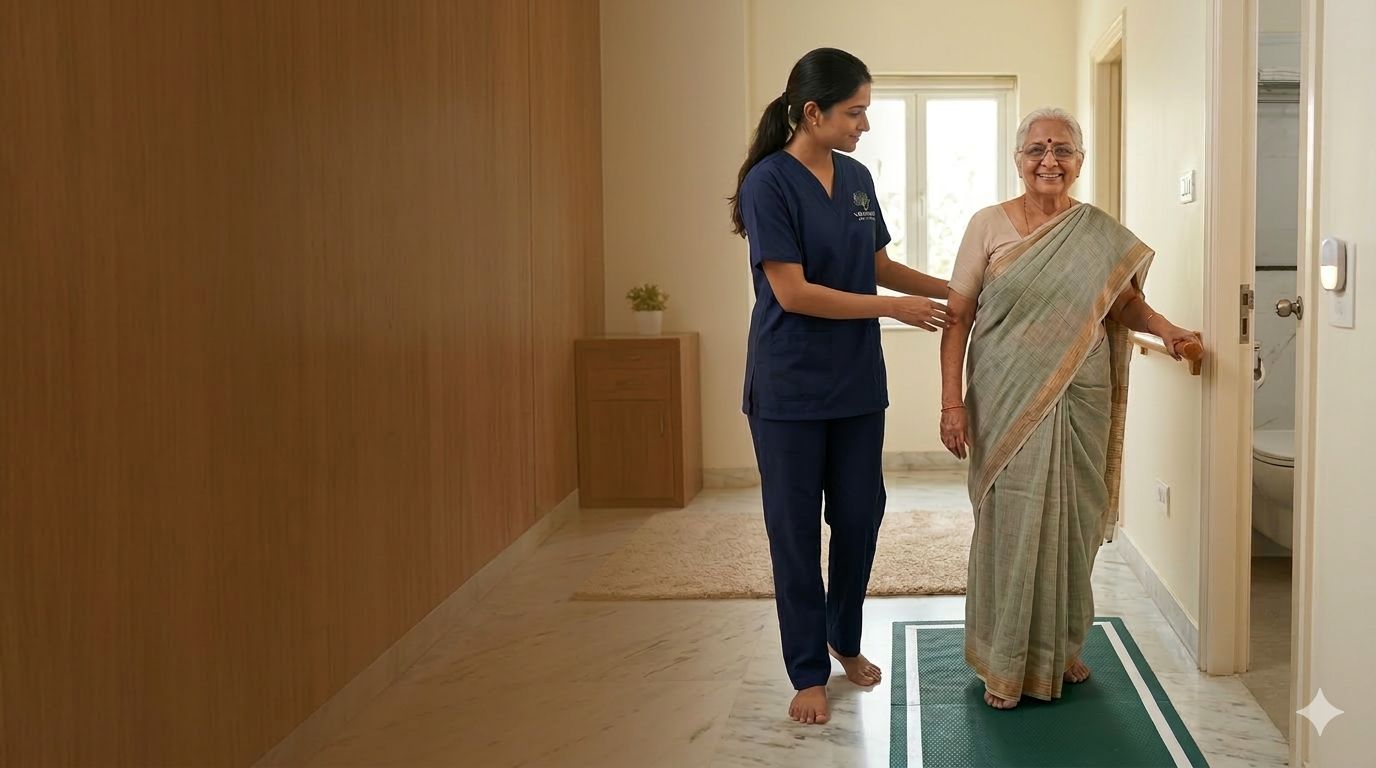
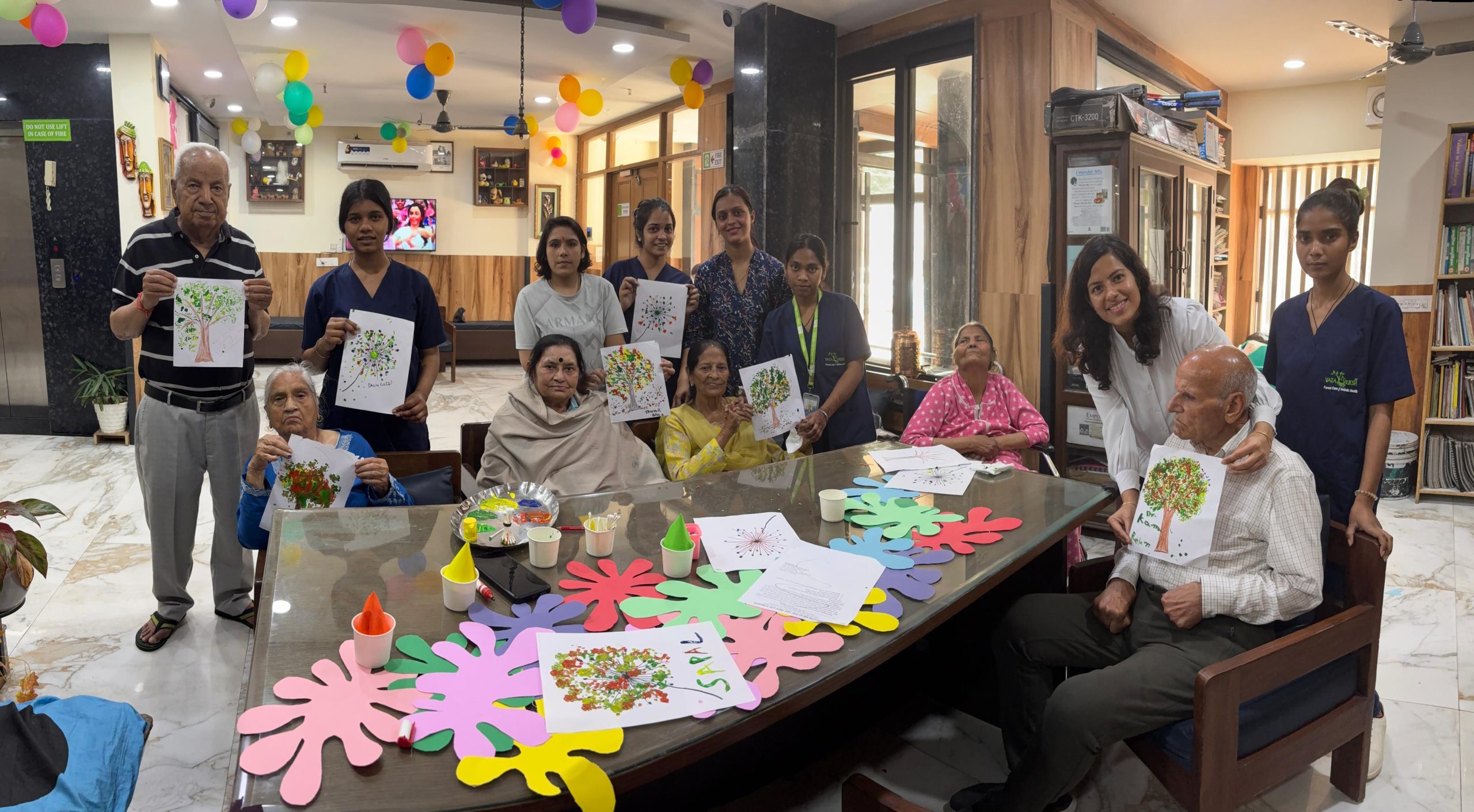
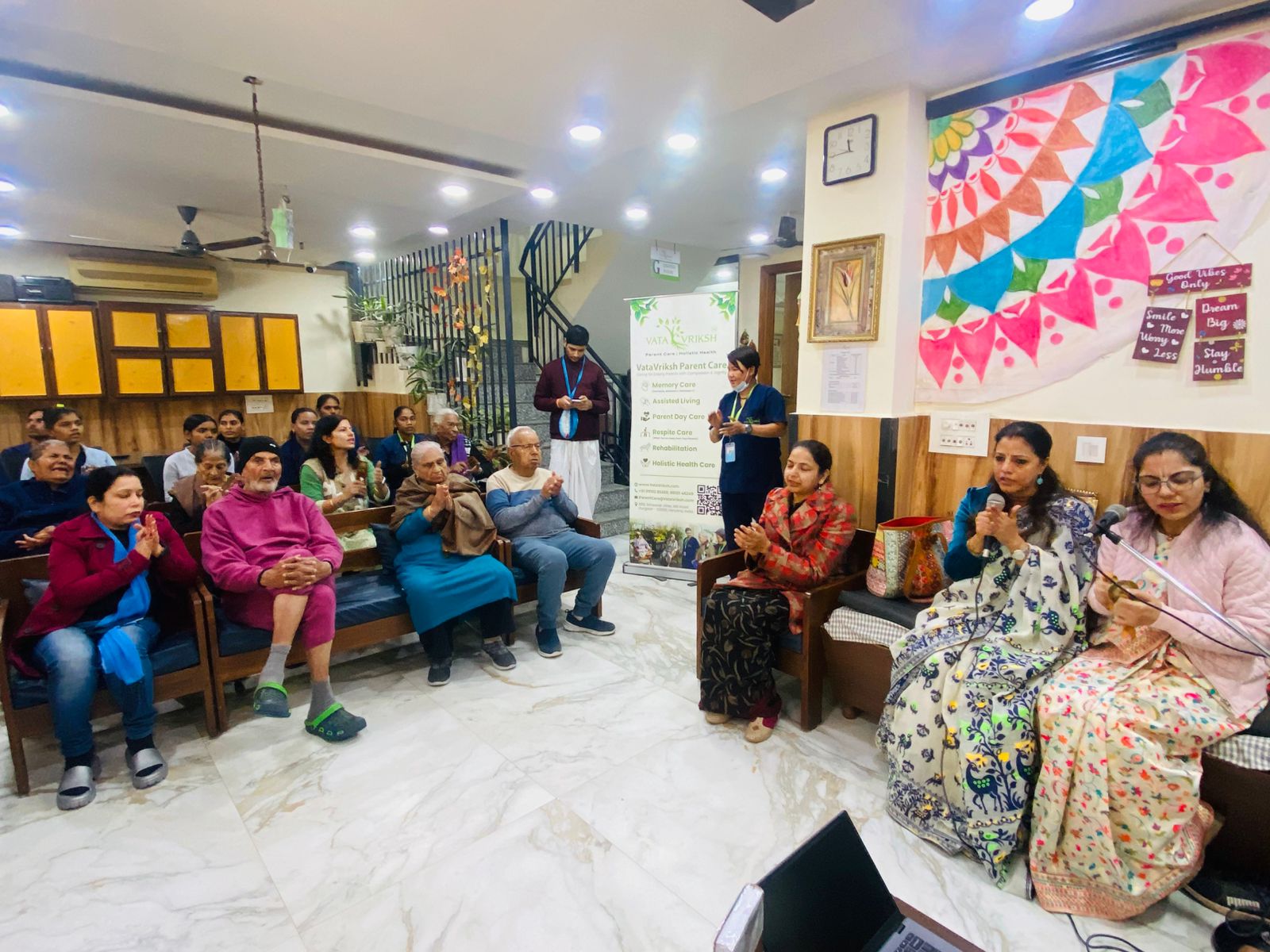
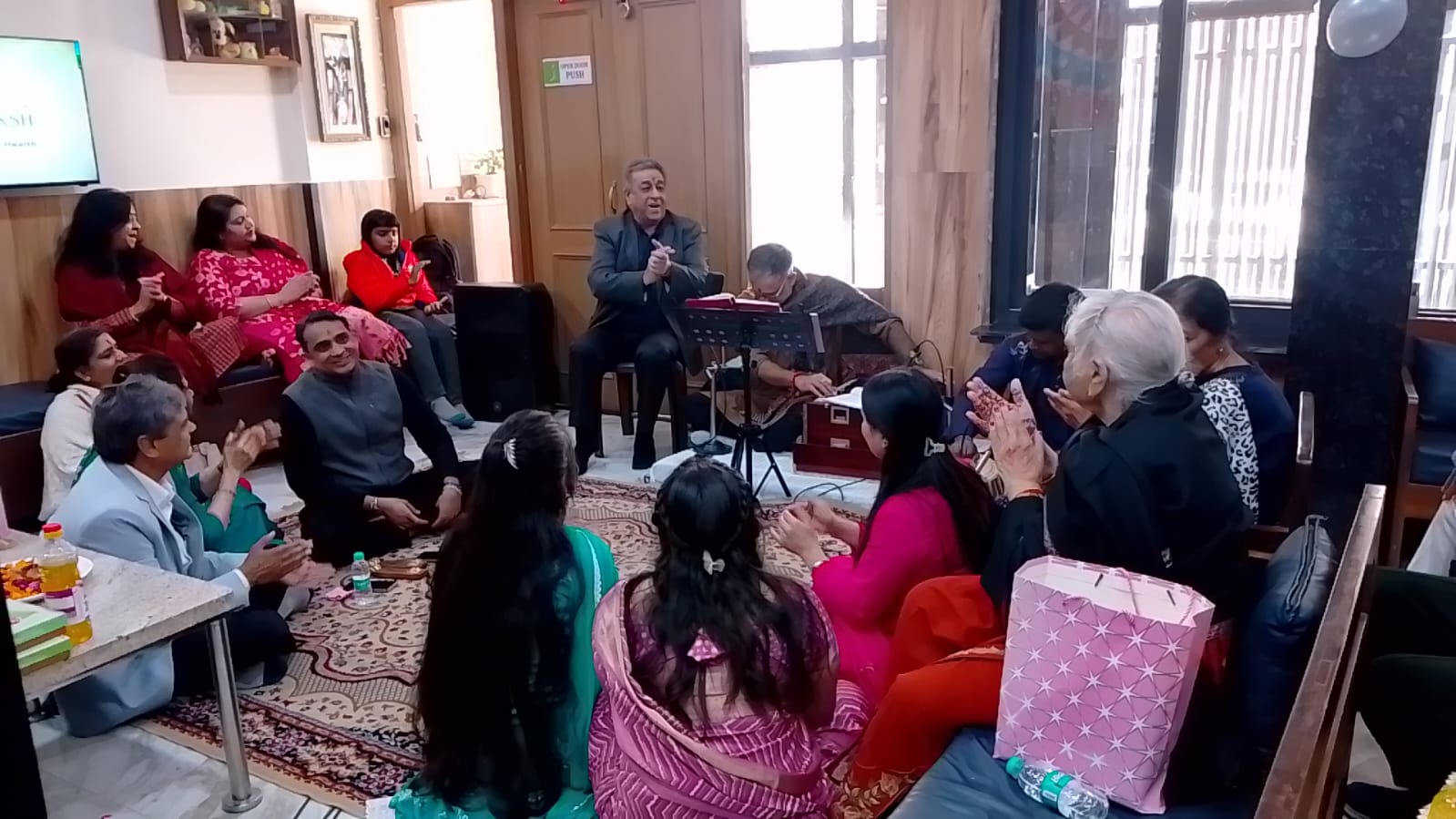
4. Professional Community Support: For many, the most effective solution is a dedicated environment designed for engagement. VataVriksh Parent Care serves as a bridge to connection. It provides specialized senior engagement programs that prioritize emotional support, social interaction, and active involvement. By organizing community-centric activities, it ensures that every resident feels valued, heard, and socially included.
Conclusion: Building a Bridge to Belonging
Addressing loneliness in later life is not just a personal responsibility; it is a collective one. While aging brings inevitable changes, isolation does not have to be one of them. By recognizing the social expectations of our elders—the need to be heard, valued, and included—we can transform their later years from a period of silent reflection into a vibrant phase of continued growth. VataVriksh Parent Care is committed to bridging this gap, providing a nurturing environment where seniors are never just in the “background,” but are the very heart of a thriving community. Together, through intentional care and meaningful connection, we can ensure that every senior experiences the dignity and joy they truly deserve.
Looking for Compassionate Parent Care?
If you or your loved ones are seeking a safe, nurturing, and dignified environment for elderly parents, VataVriksh Parent Care is here to help.
- Explore our Parent Care services
- Schedule a visit or consultation
- Let us help your parents rediscover comfort, care, and peace
Written by:
Khushangi
Psychology Intern, VataVriksh Parent Care
Psychology Student, Kamala Nehru College, University of Delhi
Edited and Reviewed by Dr Subodh Kumar, Project Director & Cognitive Psychologist at VataVriksh Parent Care
—
About the Author

Khushangi is a psychology student passionate about exploring human emotions, relationships, and mental health challenges. She believes in spreading awareness about emotional well-being and social care through research-based writing. Her work focuses on understanding issues such as loneliness, aging, and psychological growth.